Juicing Equipment Financing in Honolulu, HI
Finance commercial juicing and beverage production equipment for Honolulu juice brands, resort operators, and cold-press producers. $50k minimum, B/C credit.
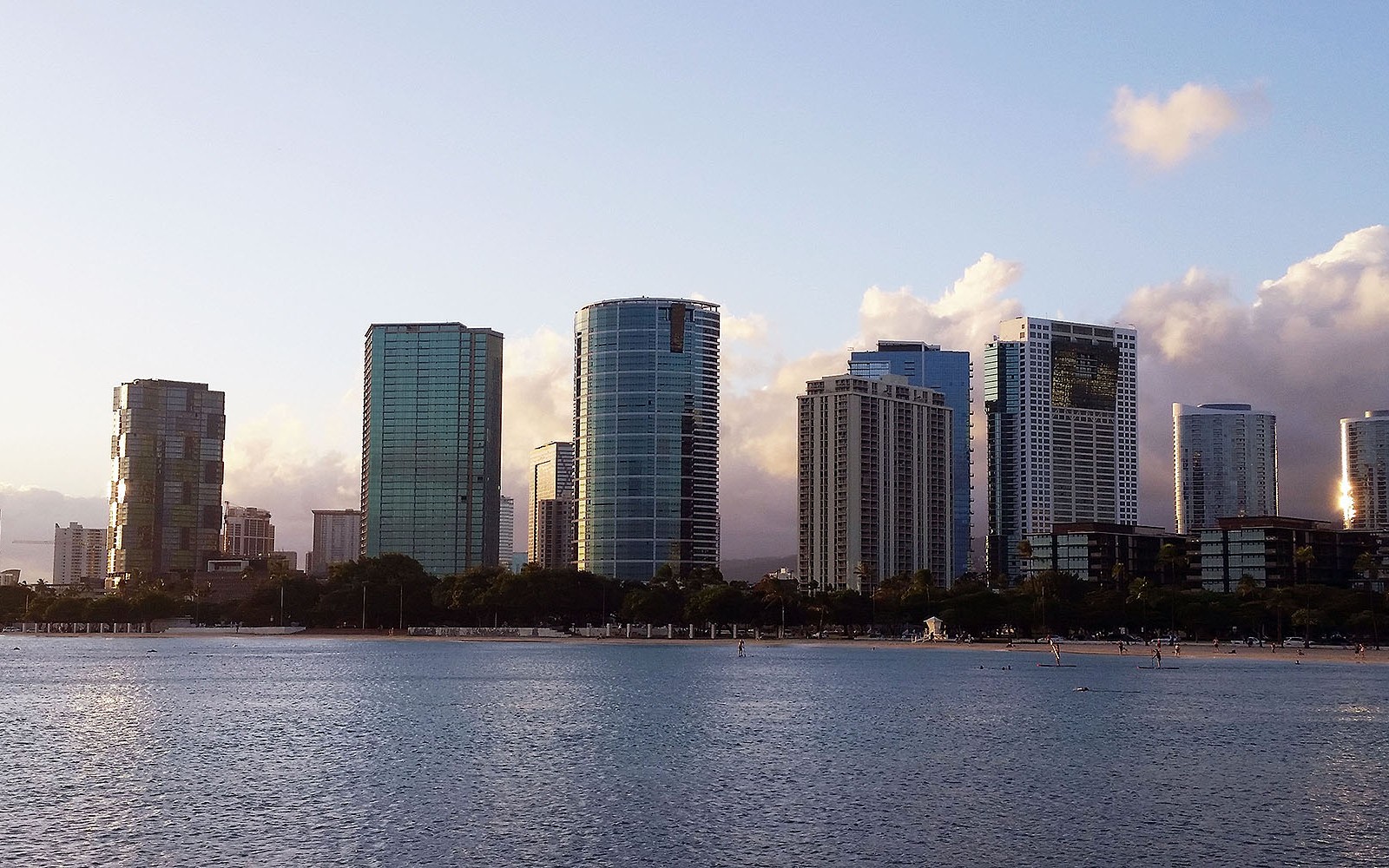
Tropical fruit is not a theme in Honolulu, it is the supply chain. Hawaii grows lilikoi, dragonfruit, white pineapple, guava, starfruit, rambutan, and lychee at commercial scale, and Oahu farms supply juice producers who do not have to import their most distinctive SKUs from the mainland. That raw-material advantage, combined with a tourism economy that puts millions of health-conscious visitors through the island every year, creates a serious market for premium cold-pressed and functional beverages. Getting product onto shelves at Foodland, Times Supermarkets, or the resort food-and-beverage programs on the North Shore and Waikiki requires equipment that can hold consistent batch yield and shelf life across every run.
We finance the equipment that makes that possible. A production-grade commercial cold-press juicer for a growing Honolulu juice brand runs $15,000 to $80,000 depending on throughput. A complete bottling line for retail-ready glass or PET packaging starts at $80,000 for inline configurations and climbs past $400,000 for rotary systems at commercial speed. Cold storage, a clean-in-place system, and produce prep equipment fill out the total project cost. We work with Honolulu juice and beverage businesses starting at $50,000, with most transactions landing between $100k and $150k and above. B and C credit are considered. Application-only financing is available up to roughly $400,000. Funding typically closes in one to two weeks.
Hawaii's Produce Base and the Honolulu Beverage Market
Oahu is not the most agricultural of the Hawaiian islands, but its proximity to Maui's upcountry farms and the Big Island's fruit-growing regions gives Honolulu producers reliable sourcing options for distinctive ingredients. Hawaii remains the only U.S. state where commercial pineapple has been grown at industrial scale, and while volume has shifted heavily toward Philippines and Costa Rica since the 1990s, small-scale Hawaiian pineapple growers still supply local brands with a traceable, premium ingredient. Lilikoi (passion fruit) production is active on multiple islands, and the juice is a flagship flavor for many Honolulu beverage startups.
The hospitality sector drives an outsized share of beverage demand on Oahu. Hotel food-and-beverage programs, resort spas, and the dense restaurant concentration in Waikiki and Kaimuki are institutional buyers for premium cold-pressed juice, ready-to-drink functional beverages, and fresh-pressed citrus. A Honolulu juice brand that secures hotel program placement can move volume that a mainland brand of equal size might take years to reach through grocery. Hotels and resorts are a meaningful revenue channel that shapes equipment capacity decisions.
Juice bars are a dense segment on Oahu. The outdoor lifestyle culture, the year-round warm climate, and the wellness-conscious visitor demographic combine to make Honolulu one of the higher-per-capita cold-press juice markets in the country. Equipment that keeps throughput consistent across high-volume days without compromising batch quality is the foundation of every successful operation here.
Equipment We Finance for Honolulu Juice and Beverage Producers
Cold-press extraction is the centerpiece investment for most Honolulu juice brands targeting premium retail or hospitality accounts. At the juice-bar and small-production scale, Goodnature presses handle commercial throughput without requiring a full industrial footprint. At the co-packing or manufacturing scale, a Bucher Unipektin press running tens of thousands of kilograms of tropical fruit per day is a different category of investment entirely. We finance both ends of the range.
Shelf-life extension is a particularly important equipment decision for Honolulu producers. Shipping product to the mainland is expensive, and a cold-pressed juice without HPP treatment has a refrigerated shelf life measured in days. A high-pressure processing machine extends cold-pressed juice shelf life to 30 to 90 days while preserving the nutrition and flavor profile that makes cold-press worth the premium. For Honolulu brands with ambitions beyond the island market, HPP is the bridge that makes mainland distribution viable. These machines are priced from $500,000 to over $1 million and we finance them as capital projects with full documentation.
Packaging equipment rounds out the investment. A rotary filling machine at production speed handles the volume that comes with hotel program or grocery distribution. Labeling equipment that applies cleanly at production speed is the finishing step that makes the bottle shelf-ready. A complete packaging system combining filler, capper, and labeler typically runs $80,000 to $250,000 and can be financed as a single bundled transaction.
How Financing Works from Honolulu
Shipping equipment to Hawaii adds lead time to every capital project that mainland operators do not face. A press ordered from a Wisconsin or California distributor may take two to four weeks longer to reach Oahu than a comparable delivery to Los Angeles or Phoenix. That logistics reality makes financing turnaround speed a meaningful variable for Honolulu buyers. Equipment on a boat sitting in a container should not have to wait on a lender decision.
Our process is designed to move fast. The core application requires the equipment invoice or purchase contract, three months of business bank statements, and basic business identification. Application-only financing up to roughly $400,000 does not require tax returns, which matters for newer businesses whose revenue growth is not yet reflected in filed returns. For larger projects, a full documentation package adds financial statements and personal financial information but does not add weeks to the timeline. Term sheets typically come back within a few business days.
Funding closes in about one to two weeks from application. For Honolulu producers who have already committed to an equipment purchase and need the financing to close before the equipment ships, this timeline is workable. We have financed cold-press and beverage production equipment destined for Hawaii and understand the logistics context.
Structures That Fit Honolulu Business Models
Honolulu juice and beverage businesses operate with higher overhead than mainland peers in most categories: real estate, labor, and ingredient sourcing all carry Hawaii cost premiums. That context makes financing structure a real operational variable, not just a tax question. A monthly payment that is sized to the actual cash flow of the business protects operating margin in a high-cost market.
An equipment loan builds ownership from the first payment and works well for producers who plan to hold equipment for its full useful life and want the depreciation benefits. A equipment lease carries lower monthly payments and preserves cash flow for marketing, staffing, and distribution expansion, which are often the binding constraints on growth for Honolulu brands. We present both options and let the business situation and the owner's tax position guide the choice.
For Honolulu brands that financed early equipment purchases with personal capital or investor money and want to unlock that equity, a Sale-Leaseback converts owned equipment to a cash lump sum while keeping the machine in production. That cash can fund the next equipment phase, cover a new hotel account's ramp-up period, or build a produce inventory buffer for high-demand seasons.
Related Financing Paths
Common Questions on Juicing Equipment Financing in Honolulu, HI
Straight answers before you send the equipment file.
My Honolulu juice business has been open for 14 months. Is that enough operating history to qualify?
Fourteen months is enough operating history to qualify for most of our programs. We look at the last three months of bank statements as the primary revenue documentation. If your monthly deposits are consistent and show a business generating meaningful revenue, the length of operating history becomes less of a barrier. Application-only financing up to roughly $400,000 does not require tax returns, so a business that has grown quickly since opening can present its current financial position accurately without waiting for another tax year.
Can I finance a cold-press juicer that will be used at a resort food-and-beverage outlet rather than a standalone juice brand?
Yes. Equipment financing is secured by the asset and evaluated against the business's financial profile. A resort or hotel food-and-beverage operation that generates consistent revenue and can demonstrate cash flow through bank statements qualifies the same way a standalone juice brand does. The intended use of the juice output does not change the underwriting process.
I want to add an HPP machine to extend my shelf life so I can ship to the mainland. Are these machines financed differently because of the price range?
HPP machines typically fall in the $500,000 to over $1 million range, which moves them beyond the application-only threshold. For these projects, full documentation financing applies, which includes financial statements and personal financial information in addition to bank statements. The process is more involved but not dramatically slower. If you have already identified the machine and have a purchase agreement, we can open the file and move through documentation in parallel with your installation planning.
Can I refinance a cold-press juicer I already own to pull cash out for produce inventory ahead of the summer season?
A cash-out refinance on owned equipment is a structure we offer. If you own the press outright or have significant equity in it, we can put a lien on the asset and advance cash against its value. That cash goes into your operating account and you use it as you see fit, including building a produce inventory buffer before a high-demand season. The payment on the refinance becomes a fixed monthly cost, and the press stays in production throughout.
What is the minimum financing amount, and can I bundle a cold-press juicer with a bottling line into one transaction?
Our minimum is $50,000. Bundling multiple pieces of equipment into a single transaction is both possible and often the most efficient structure. A cold-press juicer and a bottling line installed at the same facility can be financed together as one capital project, which simplifies the paperwork and often results in a cleaner payment structure than two separate smaller transactions.
Ready to Finance Juicing Equipment Financing in Honolulu, HI?
Send the equipment quote, seller, transaction size, and target timing. The financing desk will review the package and return a clear next step.