Juicing Equipment Financing in Denver, CO
Finance commercial juicing equipment for Denver juice bars, cold-press brands, and beverage manufacturers. $50k minimum, B/C credit OK, closing timed to the beverage-equipment package.
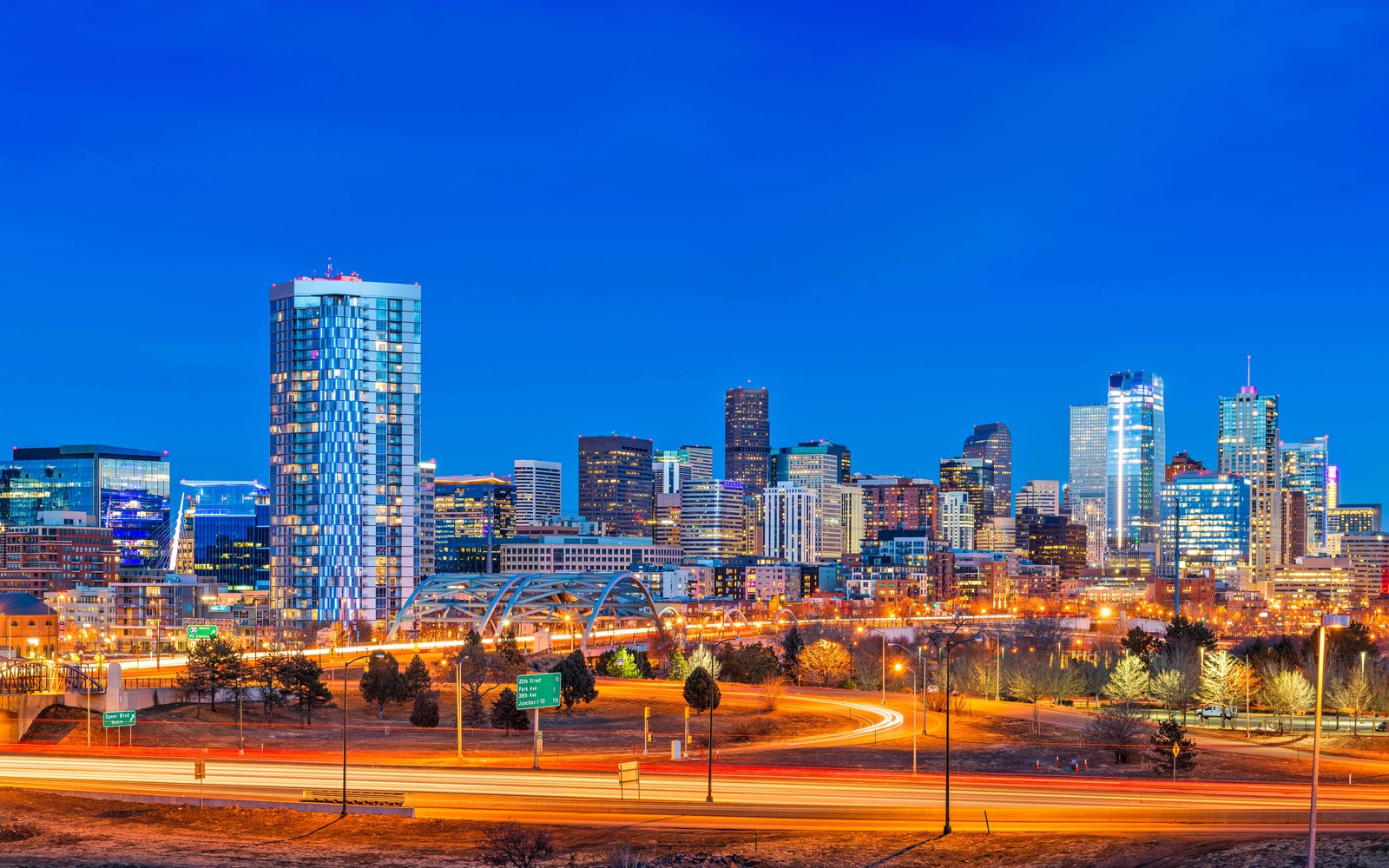
Denver's health and wellness economy is not a trend overlay on the city's identity; it is structural. A population that genuinely runs, cycles, skis, and hikes creates sustained, year-round demand for functional beverages, cold-pressed juice, and clean-label nutrition. The brands supplying that market have grown from juice-bar concepts into real manufacturing operations, and real manufacturing operations require real commercial equipment.
A commercial cold-press juicer at production scale runs $15,000 to $80,000 depending on the model and throughput. Add a walk-in refrigeration system, a filling station, and a clean-in-place system and a Denver producer is budgeting $150,000 to $300,000 for a complete cold-press operation. We finance juicing equipment for Denver businesses starting at $50,000, with our core market landing between $100k and $150k and above. B and C credit are considered. Application-only financing is available up to roughly $400,000. Funding closes in about one to two weeks.
Denver's Cold-Press and Functional Beverage Scene
Denver proper and the surrounding Front Range corridor have produced a notable cluster of beverage brands. The RiNo (River North) district in Denver has become a hub for food and beverage entrepreneurs; its density of independent food concepts, craft producers, and small-batch manufacturers makes it one of the more interesting beverage development environments in the Mountain West. The Platte Street and LoHi corridors carry similar energy.
Altitude plays a genuine role in Denver's beverage market. Training athletes, outdoor enthusiasts, and altitude-acclimatized residents across the metro have demonstrated consistent purchasing behavior around hydration and recovery beverages. That behavioral reality has made Denver a launch market for several national beverage brands. Functional-beverage startups that land in Denver often have a test market with unusual authenticity: the customers actually use the products for the stated purpose.
Colorado's natural products industry also provides a strong infrastructure for beverage manufacturing. The Natural Products Expo and the Specialty Food Association both have significant Colorado presence, and the state has a history of supporting food entrepreneurs with incubator facilities, co-packing networks, and a regulatory environment that is reasonably friendly to emerging food and beverage brands. For a juice or beverage founder deciding where to build, Denver makes legitimate sense as a production and market base.
What We Finance for Denver Juice and Beverage Operations
Extraction equipment is the starting point for most Denver juice businesses seeking financing. Goodnature X-1 and M-1 cold-press units are among the most popular in this market. A Goodnature press at the production level runs $15,000 to $50,000 depending on model and configuration. Larger industrial extractors for co-packing or manufacturing volume run $100,000 to $400,000.
High-pressure processing is a significant topic in Denver's premium juice segment. HPP extends cold-pressed juice shelf life from three to five days to 30 to 60 days without heat, which is the difference between a local-only product and one that can reach regional and national retail. A high-pressure processing machine runs $500,000 to over $1 million; it is a capital project that almost always requires financing. Hiperbaric is the dominant manufacturer in this category globally. We finance HPP machines as standalone acquisitions or as part of a complete line buildout.
Homogenizers and mixing tanks serve the broader functional-beverage category, where blending consistency and emulsification quality matter alongside extraction. A Homogenizer for a beverage production line runs $30,000 to $200,000. A mixing and blending tank sized for commercial production runs $10,000 to $80,000. These assets qualify for the same financing programs as extraction equipment and can be bundled into a single transaction.
How Fast We Move and What You Need to Apply
Denver beverage founders tend to move quickly when they have made an equipment decision, and our process is built to match that pace. For application-only financing up to roughly $400,000, the documentation is minimal: a completed one-page application, basic business entity information, and the equipment quote or purchase agreement. We pull the business credit profile and submit to lenders who specialize in food production equipment. Approval decisions come back in 24 to 48 hours in most cases.
Funding follows approval by about a week to 10 days once lender conditions are satisfied. For standard deals, those conditions are straightforward: proof of insurance on the equipment, a signed lender agreement, and confirmation of the equipment purchase. For larger or more complex transactions, such as a complete production line or an HPP installation, three months of bank statements are added to the file and the timeline extends slightly, though most close within two weeks.
Equipment lease structures are popular in Denver because of the tax treatment. An operating lease keeps the asset off the balance sheet, which some businesses prefer. A dollar-buyout lease transfers ownership at the end of the term for one dollar and is effectively a loan for tax purposes. We present both and let the business's accountant drive the structure decision.
Related Financing Paths
Common Questions on Juicing Equipment Financing in Denver, CO
Straight answers before you send the equipment file.
I am launching a Denver functional-beverage startup. Can I finance a production mixer and a filling station?
Yes, through our startup financing programs. Personal credit score plays a larger role when the business has no operating history. Above 600 is typically workable; above 680 opens more options. We pair the personal credit file with a clear description of the equipment, its intended use, and the market opportunity. Startup approvals take slightly longer than established-business deals but are genuinely available.
Does the altitude in Denver affect equipment specifications for cold-press units?
Cold-press extraction itself is not altitude-sensitive the way some thermal processes are, but HVAC and refrigeration systems should be specified for Denver's elevation. That is a conversation between you and the equipment manufacturer rather than a financing issue, but it is worth confirming before you order. We finance equipment in Denver regularly and have not seen altitude create equipment-finance complications.
Can I finance a Goodnature press that is two years old?
Used equipment is financeable, including from private sellers. A two-year-old Goodnature press in good condition has a strong secondary market value and makes solid collateral. We would need an inspection report or at minimum a description of the machine's condition and service history. The process adds a few days to the timeline but is fully manageable.
My Denver juice brand wants to add HPP capability. How does that financing work?
HPP machines are large, complex capital projects and almost all of them are financed rather than purchased outright. We handle the deal similarly to any large equipment purchase: equipment documentation from the manufacturer, three months of bank statements, and a complete business application. The deal size and asset complexity may bring in lenders who specialize in large-ticket food manufacturing equipment, which is part of the value of having access to a broad financing team.
Can I do a sale-leaseback on a cold-press juicer I own outright?
Yes. If the equipment is paid off and has identifiable market value, a sale-leaseback delivers a cash lump sum while the machine stays in your facility. The minimum for this transaction type is $50,000 in equipment value. Goodnature presses and other quality cold-press units hold value well, making them good candidates for this structure.
Ready to Finance Juicing Equipment Financing in Denver, CO?
Send the equipment quote, seller, transaction size, and target timing. The financing desk will review the package and return a clear next step.