Juicing Equipment Financing in Chicago, IL
Finance juicing and beverage production equipment in Chicago, IL. Cold-press juicers, HPP machines, bottling lines. $50k minimum, B/C credit welcome.
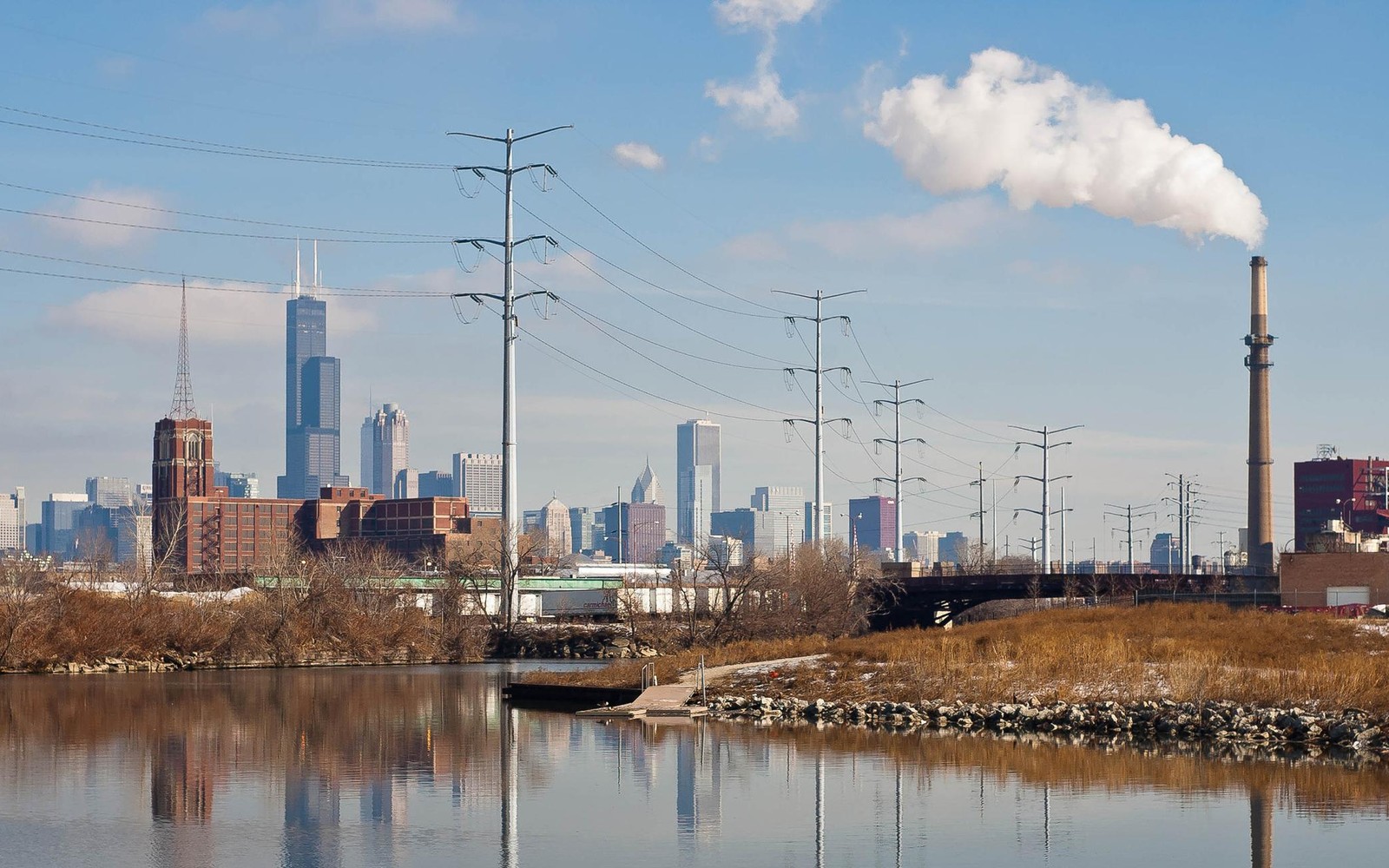
Chicago's food manufacturing ecosystem is one of the most developed in North America. The Fulton Market corridor, once the city's meatpacking district, is now home to food-and-beverage production facilities ranging from boutique cold-press operations to mid-scale co-packers serving national brands. The West Loop, Pilsen, and Bridgeport all have active commercial kitchen and production-space communities where juice and beverage brands get their start before outgrowing shared space and needing their own line. Getting onto the shelves of Jewel-Osco, Mariano's, or the Whole Foods flagship on Kingsbury means having production capacity that matches retail expectations, and that capacity comes from equipment.
We finance juicing, pressing, bottling, and cold-chain equipment for Chicago-area beverage producers. Our minimum is $50,000, and we regularly close deals from $100,000 to well above $500,000 for full production facility buildouts. New equipment, quality used equipment, and sale-leaseback structures for operators who need to unlock equity in gear they already own all fall within our scope. Illinois beverage brands scaling from the city into Midwest regional distribution are exactly who we're built to serve.
Chicago's Juice and Beverage Production Scene
Illinois has long had a strong food-processing infrastructure, and that base has supported the growth of a sophisticated cold-press and functional-beverage sector in Chicago. Brands that launch at Logan Square or Wicker Park farmers markets find a path to grocery retail that runs through Jewel-Osco, Marianos, and independent specialty retailers in Lincoln Park, Lakeview, and Hyde Park. That retail path requires consistent, labeled, shelf-stable or properly cold-chain-managed product, which in turn requires real production equipment.
The city's proximity to Midwest agricultural production, including apple orchards in downstate Illinois, berry operations in southern Wisconsin, and vegetable farms in northern Indiana, gives Chicago-based juice producers a sourcing geography that supports fresh, high-quality product at commercial scale. Producers who invest in the right press and cold-chain equipment can tell a genuine freshness story while serving volume that regional retailers require.
Chicago is also home to a significant food-industry professional community. Former restaurant operators, food scientists out of Illinois Tech's food science program, and former CPG brand managers frequently launch juice and functional-beverage startups here with more operational sophistication than a typical first-time founder. Those operators understand their unit economics and come to us with clear projects: a specific press, a defined production space, and a realistic ramp to revenue. We work well with that profile, and our financing structures match their planning horizon.
Equipment Chicago Operators Finance
Cold-press production equipment dominates the requests we see from Chicago brands. A hydraulic press juicer at the production scale that retail accounts require runs $60,000 to $250,000 depending on hourly throughput, automation level, and whether the system includes integrated bag-and-press or cloth filtration. Chicago brands moving from a shared-kitchen juicer to a dedicated production unit almost always need to step up to this tier of equipment to hit the minimums that a major grocery buyer expects.
HPP capability is a regular financing request for Chicago brands targeting Whole Foods, Mariano's, or any distributor with refrigerated distribution. A high-pressure processing machine like a Hiperbaric 300 or 420 represents a $1 million to $1.5 million capital project when you include installation, siting, and support infrastructure. Many Chicago brands start with HPP tolling at a nearby facility before financing their own unit once volume justifies it, but both paths have a financing component we can support.
Full production line buildouts in Chicago often include a juice production line that integrates washing, peeling, pressing, filling, capping, and labeling into a single floor layout. Those projects run from $300,000 to $700,000 all-in and are exactly the kind of capital event where phased financing, covering the press first and adding filler and labeler in subsequent tranches, makes the growth trajectory manageable without overwhelming cash flow.
Refinancing and Sale-Leaseback Options
Chicago beverage operators who financed equipment in the early years of their business sometimes find themselves on rates that made sense then but are dragging on cash flow now. Equipment refinancing restructures the existing note at current terms, which can meaningfully reduce monthly payment burden and free up operating capital. We regularly work with operators who want to pull three or four years of equity they've built into a machine and redeploy it as growth capital.
A Sale-Leaseback goes a step further: you sell paid-off equipment to the lender and lease it back, generating a cash injection while your operation continues running uninterrupted. For a Chicago brand that owns a $150,000 cold press outright but needs $120,000 to fund a seasonal inventory build or a new SKU launch, a sale-leaseback may be cleaner than taking on unsecured debt. The monthly lease payment replaces the operating cost of owning the equipment, and the capital goes to work immediately.
Both structures are available to Illinois businesses with at least some operating history and equipment that has clear title. We'll look at the equipment's current market value, your cash flow, and the deal structure that works best for your situation.
Financing Terms and Structure
Equipment loans and leases for Chicago juice-and-beverage producers typically run 36 to 72 months. The right term depends on the equipment type, the transaction size, and your preference for lower monthly payments versus shorter total interest cost. A application-only financing path covers most transactions up to approximately $400,000, meaning no business tax returns or full financial packages required below that threshold.
New and used equipment both qualify. Used gear from a Chicago equipment dealer, a national auction house, or a private seller all work as long as the equipment can be clearly identified, has a verifiable value, and has clean title. We work with beverage manufacturers and juice manufacturers at all stages of growth, from the brand writing its first check for a dedicated press to the established operation adding a third production line to meet national distribution demands.
Related Financing Paths
Common Questions on Juicing Equipment Financing in Chicago, IL
Straight answers before you send the equipment file.
I'm a Chicago juice brand that just landed a regional account with a major Midwest grocery chain. My current press can't handle the volume. How fast can we close a deal on a production-grade cold press?
For a transaction under $400,000, we can often get to an approval in two to three business days on an application-only basis. Funded and equipment paid in about one to two weeks from approval. If you need to move fast to meet a retail on-shelf date, that timeline is workable.
Can I finance both a new cold press and a used filling line in the same transaction?
Yes. Combining new and used equipment in a single financing package is straightforward as long as each piece is clearly identified with make, model, serial number, and purchase price. We'll underwrite the full package as one deal.
I've been in business in Chicago for four years but had a rough patch during 2022 that left some marks on my credit profile. Is that an automatic disqualifier?
No. B and C credit profiles, including marks from a difficult period, are part of our normal deal flow. We look at where you are now, what your cash flow looks like over the last three to six months, and whether the equipment payment fits your current revenue. A difficult year two years ago doesn't define your application today.
What's the difference between financing an HPP machine directly and financing HPP toll-processing costs?
Financing an HPP machine is equipment financing; the machine is the collateral and sits on your balance sheet. Financing toll-processing costs is closer to working-capital financing, which is a different product. We handle equipment financing. If you're evaluating whether to own or toll, we can finance the machine once you decide to own.
Does a Section 179 deduction affect how I should structure the financing for my new production line?
Section 179 lets you deduct the cost of qualifying equipment in the year of purchase rather than depreciating it over time, and you can claim it whether you're buying or financing. Your accountant should advise on the specific deduction, but the financing structure doesn't eliminate the Section 179 benefit. An equipment loan rather than a true lease typically preserves that deduction.
Ready to Finance Juicing Equipment Financing in Chicago, IL?
Send the equipment quote, seller, transaction size, and target timing. The financing desk will review the package and return a clear next step.