Juicing Equipment Financing in Baltimore, MD
Finance commercial juicers, HPP machines, bottling lines, and full juice production equipment in Baltimore, MD. $50k minimum. B/C credit considered. Fund in.
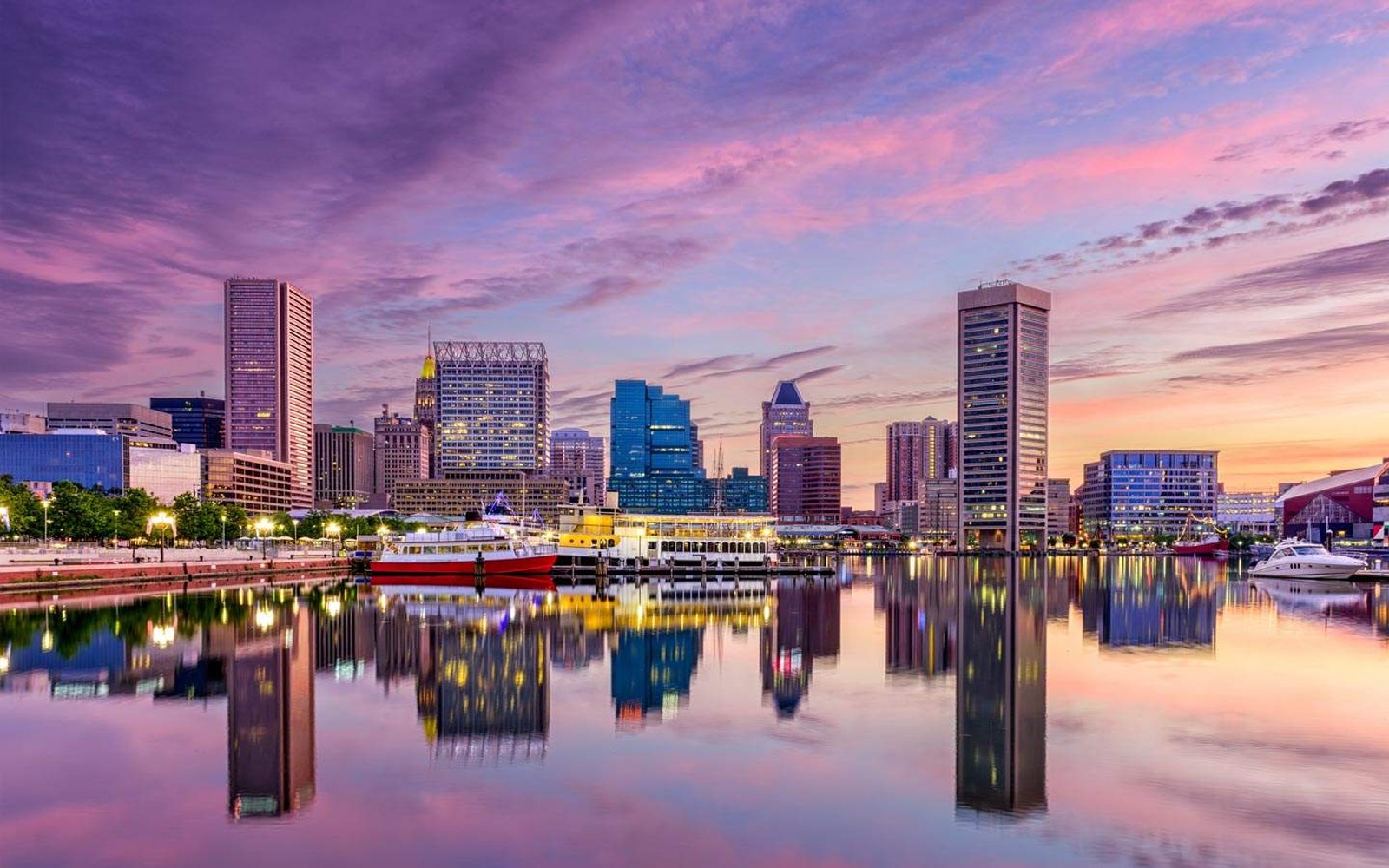
Baltimore sits at an interesting intersection for a juice or beverage brand: it has the port infrastructure of a major industrial city, the health-conscious consumer base of a mid-Atlantic metro with a significant university and hospital workforce, and industrial real estate that is meaningfully cheaper than Washington, DC, forty miles south. The Port of Baltimore is one of the busiest on the East Coast, which gives producers who want to import bulk produce concentrate or export finished product a logistics advantage that purely inland markets cannot match. For a brand doing serious volume, that port access changes the supply chain math.
We finance juice and beverage production equipment for Baltimore-area operators from $50,000 up, with the bulk of our production-scale transactions landing between $100,000 and $500,000. We cover commercial cold-press juicers, HPP machines, filling and capping lines, pasteurizers, refrigeration systems, and full facility buildouts. New equipment, quality used machines, and private-party purchases all qualify. Application-only processing handles most deals under roughly $400,000, and funding typically closes in one to two weeks.
Baltimore as a Beverage Production Base
The Remington, Hampden, and Station North neighborhoods have seen significant food and beverage business activity as Baltimore's creative economy has expanded, and the industrial corridors around the harbor and along Pulaski Highway have attracted food manufacturers, co-packers, and specialty producers looking for space with loading infrastructure at accessible rents. Canton and Fells Point add a dense retail food-and-beverage market for brands that want visibility alongside production capacity.
Baltimore's institutional food-service sector is substantial. The Johns Hopkins Hospital complex, the University of Maryland Medical System, and the constellation of universities across the city, including Towson, Morgan State, Loyola, and the University of Baltimore, represent high-volume food-service accounts that increasingly stock cold-pressed juice and functional beverages alongside conventional options. Beverage manufacturers who can serve institutional accounts at scale alongside retail have a volume base that justifies production investment that a retail-only strategy might not.
The proximity to Washington, DC means Baltimore is a realistic production base for brands that want to serve both cities without establishing two facilities. A producer running out of a Baltimore industrial space on Pulaski Highway can have product at a DC-area distributor's dock within an hour, and the lower cost of Baltimore industrial space compared to Northern Virginia or Prince George's County makes the economics work. Several DC-market cold-press and functional beverage brands have quietly established production in Baltimore for exactly this reason.
Buying New vs. Used Production Equipment in Baltimore
The Baltimore and Mid-Atlantic corridor has a reasonably active secondary market for food and beverage production equipment, partly because the region's beverage and food manufacturing base includes companies that regularly upgrade or restructure their lines. A Goodnature press that has done two years of service in a Baltimore co-packer's facility is not the same purchase risk as unknown equipment from an out-of-state listing, and we finance both with appropriate diligence.
New equipment carries the manufacturer warranty, current sanitation certifications, and a predictable maintenance schedule that matters when you are pitching production standards to a grocery buyer's quality team. For a brand at an early stage, those credentials help with buyer conversations beyond just the equipment's function. Used equipment financing makes sense when the machine is sound, the price reflects a meaningful discount from new, and your capital position benefits more from a lower monthly payment than from warranty coverage you may not need.
For Baltimore operators who have already invested in production equipment, a Sale-Leaseback is worth considering if working capital is constraining growth. A press you own outright, a filler, or a walk-in refrigeration system that represents $100,000 to $300,000 in asset value can be converted into cash without selling the equipment or halting production. The leaseback structure puts you on a fixed monthly payment while freeing the equity for ingredient costs, packaging, or the next SKU launch.
How the Process Works for Baltimore Operators
The document requirement is intentionally light for most Baltimore transactions. For deals under approximately $400,000, an equipment loan or lease application and three months of business bank statements are typically sufficient for a decision. We are evaluating the business, the equipment, and the cash flow rather than requiring a multi-month bank relationship or a thick underwriting package.
Structure choices matter and we explain them clearly. An equipment loan builds equity with every payment and lets you take full depreciation benefit in the year of purchase if the tax timing works in your favor. An equipment lease lowers the monthly outlay and preserves flexibility, with end-of-term options to purchase, upgrade, or return depending on how your production needs evolve. For Baltimore juice brands that expect to be adding capacity as they grow, an upgrade provision in a lease structure can be worth more than the slightly lower rate on a purchase loan.
Funding timeline is about one to two weeks from a complete application. That pace reflects the kind of decision-making speed a growing beverage brand needs, particularly when a production equipment investment is tied to an account commitment or a seasonal throughput requirement. Files that sit at a lender for six weeks while a buyer's stocking window closes are a real cost to a business, and we treat speed as part of the product.
Which Baltimore Operators We Work With
Juice bars and smoothie shops opening new locations in Baltimore neighborhoods or the surrounding suburbs are a steady part of our business. A single location buildout including commercial pressing equipment, refrigeration, blending stations, and prep infrastructure can land between $75,000 and $150,000, and financing that investment preserves cash for the lease deposit and opening inventory that a new location always demands. Juice bar operators running multiple Baltimore-area locations often finance each new site as its own transaction.
Cold-press juice brands entering regional wholesale are a second profile. A brand moving from farmers market to grocery account relationships needs production capacity that can fill a purchase order reliably, and that usually means upgrading from a prosumer or light commercial press to a machine that can batch meaningfully higher volume per shift. The capital requirement for that upgrade, combined with supporting equipment like a filler and refrigeration, often falls landing between $100k and $250k that our program handles efficiently.
Functional beverage startups are a growing segment in Baltimore. The Johns Hopkins biotech and life science community has produced a number of founders who bring a science background to beverage formulation, and those brands tend to invest in more sophisticated processing equipment earlier in their development. HPP capacity, pasteurization systems, and aseptic filling for ambient-stable products are common equipment requests from this operator profile.
Get Your Baltimore Equipment Financed
Tell us the equipment and we will turn around a structure quickly. Baltimore juice brands, functional beverage startups, and juice bar operators can apply online or call to talk through the deal first. Most complete files fund in one to two weeks.
Related Financing Paths
Common Questions on Juicing Equipment Financing in Baltimore, MD
Straight answers before you send the equipment file.
Can I finance a full facility buildout, including the press, filler, refrigeration, and CIP system, as one transaction?
A full production facility package combining multiple pieces of equipment is common and often handled more cleanly as a single transaction than as individual deals. One approval, one payment schedule, one closing. The total needs to clear our $50,000 minimum, which a production buildout of that scope will easily exceed.
My Baltimore juice brand has B credit. What does that change about my options?
B credit is something we work with regularly. The structure and rate will reflect the credit profile, but B credit does not close the door on financing. We look at the business as a whole, including revenue trend, cash flow, the equipment's collateral value, and the growth story, alongside the credit score.
I want to finance a used press I found from a Baltimore co-packer that is restructuring. How does that work?
Private-party purchases from other food and beverage businesses are eligible. We need a bill of sale or purchase agreement, basic equipment information, and a completed application. An independent equipment inspection before closing is a good idea and can be worked into the timeline without adding significant delay.
Can my Baltimore business use an equipment loan and still take the Section 179 deduction?
A purchase loan that transfers ownership to you at closing generally preserves your ability to take Section 179 expensing or bonus depreciation in the year of purchase. That tax benefit can meaningfully reduce the net cost of equipment in year one. Confirm the specific treatment with your tax advisor based on your fiscal year and asset use percentage.
How does the sale-leaseback process work and how long does it take?
We appraise the equipment you already own, fund against that value, and structure a leaseback payment for you to retain use of the machine. The process runs on a similar timeline to a new equipment deal, roughly one to two weeks from a complete application, and does not require you to pause production. Minimum equipment value of $50,000 applies.
Ready to Finance Juicing Equipment Financing in Baltimore, MD?
Send the equipment quote, seller, transaction size, and target timing. The financing desk will review the package and return a clear next step.