Working Capital vs. Equipment Financing
Should you use working capital or an equipment loan for your next juicing purchase? Learn how each structure works, what each costs, and which fits your.
Two funding tools sit on the table: a working capital line and an equipment-specific loan or lease. They both put money to work in the business, but they are structured for entirely different jobs. Getting them mixed up costs real money. Using a short-term, higher-rate working capital facility to buy a $150,000 press that will run for ten years is an expensive mistake. Using a five-year equipment loan to fund three months of produce purchases is a structural mismatch in the other direction.
We finance juicing and beverage production equipment every day. The question of which tool fits which situation comes up constantly, and the answer matters for how much the capital actually costs your business over time.
What Each Tool Is Built For
Equipment financing (loans and leases) is designed for the purchase of a specific piece of capital equipment. The equipment itself is the collateral, the term matches the useful life of the asset (typically three to seven years), and the rate reflects the security of having hard collateral backing the debt. The monthly payment is fixed and predictable. You are matching a long-lived asset to a long-term obligation.
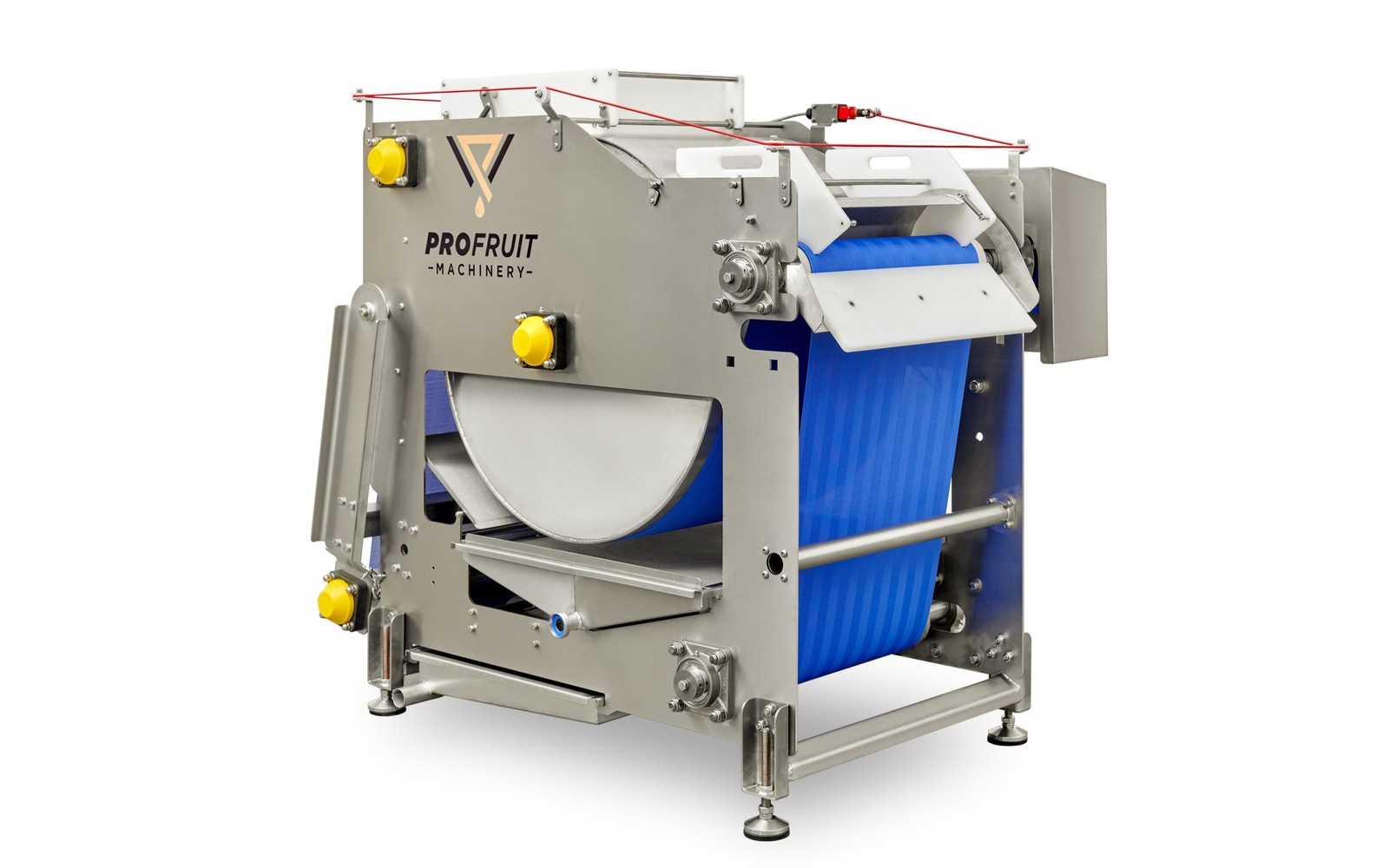
Equipment financing on a hydraulic press juicer or a high-pressure processing machine means the machine's productive life is longer than the loan term. You pay off the debt, then operate the machine free-and-clear for years, building margin on every batch it runs.
Working capital financing covers operating needs: payroll, raw materials, packaging, short-term receivables gaps, marketing pushes, lease deposits. It comes in several forms, including revolving credit lines, merchant cash advances, and short-term business loans. Terms are shorter (six months to three years), and rates are generally higher because the lender has no specific hard asset as collateral.
The Cost Difference Matters
Equipment loans are priced lower than working capital because the lender can recover the collateral if the borrower defaults. That lower risk means lower rates. Working capital products, especially merchant cash advances and short-term loans, can carry effective APRs that are multiples of an equipment loan rate.
Putting an equipment purchase on a working capital product has two cascading costs. First, you pay the higher rate. Second, the short repayment term generates a monthly payment far above what an equipment loan would have been, compressing cash flow exactly when you are trying to scale batch volume and invest in raw materials.
The opposite mismatch, using an equipment loan to fund operating needs, creates a different problem: a five-year fixed obligation that outlasts the need it was financing. Raw material purchased in month one should not still be generating a loan payment in month 48.
When to Use Equipment Financing
Use equipment-specific financing for any purchase where the asset will generate revenue or reduce costs for three or more years. In a juice or beverage business, that means:
- A cold press, a centrifugal unit, or a masticating juicer that will run daily production
- A bottling line or canning line that anchors your packaging format
- An HPP machine or pasteurization system that extends shelf life and opens retail accounts
- A refrigeration buildout or blast chiller that protects perishable inventory
For these assets, equipment-specific financing gives you the best rate, a term that matches the asset life, and clear title or a defined path to ownership at term end.
When Working Capital Makes Sense
Working capital is right for cyclical needs, not permanent assets. A juice brand scaling into a new retail account might need to purchase three months of raw material before the first purchase order payment arrives. A cold-press juice brand launching a seasonal SKU might need packaging inventory and label printing before it knows the sell-through rate. A meal-prep and cleanse company might need a short bridge to cover payroll during a slow quarter.
These are legitimate working capital needs. The right tool for them is a revolving line, a short-term loan, or in some cases a revenue-based advance, not an equipment structure.
Some beverage brands choose to use an equipment loan for the press and simultaneously negotiate a separate working capital facility, keeping the two structures independent and matched to their respective purposes. That is the cleanest approach when you can manage both obligations within your cash flow.
We Help You Pick the Right Structure
Tell us what you are trying to accomplish, whether that is acquiring equipment, bridging a cash gap, or both, and we will show you how the right financing structure compares to the alternatives. No pressure to pick until the numbers make sense to you.
Related Financing Paths
Common Questions on Working Capital vs. Equipment Financing
Straight answers before you send the equipment file.
Can I use a working capital loan to buy equipment if I pay it off quickly?
Technically yes, but the rate difference makes it expensive. If you are certain you will retire the debt in six to twelve months and the equipment loan process is too slow for your timeline, it can make sense in specific situations. But most buyers who finance over a three-plus year term are better served by an equipment loan every time.
Do lenders care how I use equipment loan proceeds?
Equipment-specific loans require the proceeds to fund the identified piece of equipment. The lender advances funds to the equipment seller, not to you directly. This is intentional: the loan is secured by that specific asset. If you need unrestricted cash, working capital is the correct vehicle.
What if I need both working capital and equipment at the same time?
The two facilities can run simultaneously. Many beverage operators carry both an equipment loan and a working capital line. The key is not letting the combined monthly obligations exceed what the business can comfortably service, ideally keeping total debt service well below monthly net revenue.
Does a working capital loan require collateral?
It depends on the product. Merchant cash advances are unsecured but are repaid as a percentage of daily card receipts. Short-term business loans may be partially secured by a UCC blanket lien on business assets. Revolving lines from banks often require collateral or a personal guarantee. Equipment loans are always secured by the specific equipment financed.
Which is faster to fund, working capital or equipment financing?
For small amounts, merchant cash advances and short-term business loans can fund in 24 to 48 hours. Equipment loans under $400,000 on an application-only basis typically fund in five to ten business days. For larger equipment deals with full documentation, plan on two to four weeks.
Ready to Finance Working Capital vs. Equipment Financing?
Send the equipment quote, seller, transaction size, and target timing. The financing desk will review the package and return a clear next step.