Centrifugal Juicer
Finance a commercial centrifugal juicer for your juice bar or food-service operation. Fast approvals, flexible terms, B/C credit welcome. From $50k.
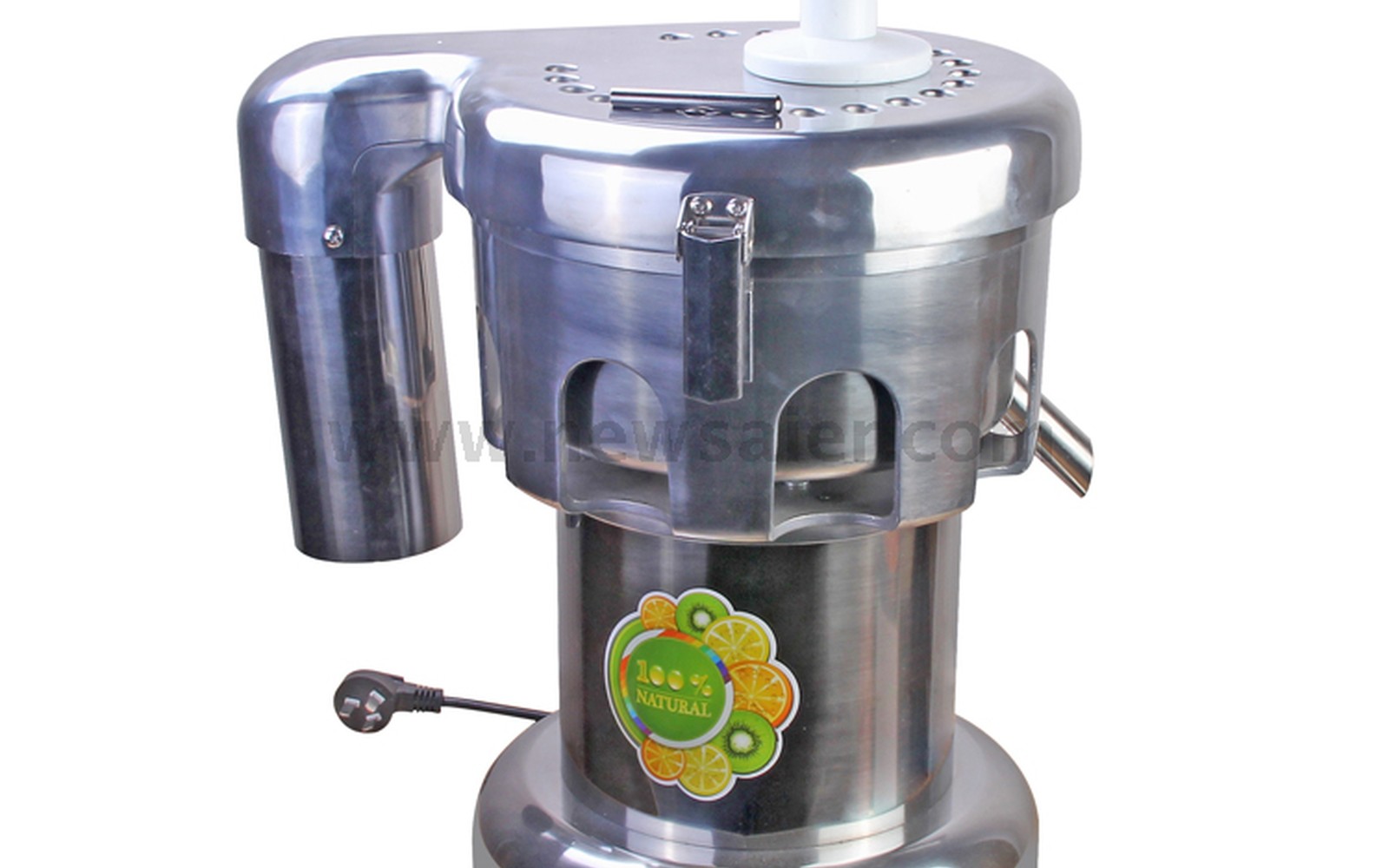
Speed is the centrifugal juicer's entire argument. These machines use a rapidly spinning flat cutting blade and strainer basket, typically operating between 3,000 and 16,000 RPM, to shred produce and force juice outward through fine mesh in a single pass. A cup of fresh orange juice goes from whole fruit to glass in under 10 seconds on a fast commercial centrifugal unit. For juice bars running a lunch rush, hotel buffets churning through trays of oranges, and restaurants offering fresh-squeezed as a daily feature, that speed-to-glass throughput is worth more than a few extra percentage points of yield per pound.
Commercial centrifugal juicers from manufacturers like Zumex, Robot Coupe, and Waring span a wide price range, from countertop commercial units at a few thousand dollars up to high-volume automated models at $15,000 and above. Larger multi-machine setups for cafeteria or stadium concession use can represent $50,000 or more in equipment spend, which is the threshold where financing makes the math work cleanly.
Where Centrifugal Juicers Fit the Production Picture
Centrifugal juicers are the dominant machine at high-volume service points that need juice made fresh and served immediately. The juice is not intended for extended refrigerated shelf life; it goes from machine to cup within minutes. That production model suits restaurants and cafes very well, particularly those serving fresh juice as a morning or brunch staple where the menu depends on speed and the product is consumed the same day.
Hotels, resort properties, and entertainment venues with in-house food service are heavy users of commercial centrifugal equipment, often running multiple units simultaneously during peak service windows. Gyms and wellness centers with juice bars on the floor also lean toward centrifugal equipment because members want a drink within two minutes of ordering, not a premium cold-pressed SKU to take home.
It is worth being direct about the tradeoff. Centrifugal juicers introduce more oxygen into the juice during extraction, which shortens shelf life and can accelerate oxidation. For operators building a retail cold-pressed brand with a 30-day refrigerated shelf life, a centrifugal machine is the wrong tool. For operators whose whole business model is immediate consumption, it is the right one. Financing the right machine for the actual use case is where we spend most of our consulting time with buyers.
Financing a Commercial Centrifugal Setup
Individual commercial centrifugal juicers often fall below our $50,000 minimum. The financing opportunity typically appears when buyers are equipping a multi-station juice bar, outfitting a hotel banquet and restaurant operation with several units, or bundling centrifugal machines with other food-service equipment like blenders, refrigeration, and prep tables into a single transaction.
Bundling works well here. A complete juice bar buildout that includes centrifugal juicers, smoothie stations, refrigerated display cases, and a point-of-sale setup can easily reach $75,000 to $150,000, which makes it an ideal candidate for a single equipment loan with a 36- to 60-month term. Application-only financing covers most buildout totals under $400,000 without requiring tax returns, and deals at that size typically fund in one to two weeks.
For established food-service operators expanding to a second or third location, a master lease agreement can cover multiple units across locations under one payment structure, simplifying accounting and reducing the number of individual loan files to manage at renewal.
Credit Considerations and What to Prepare
Centrifugal juicer financing, whether as a standalone multi-unit purchase or bundled with a broader buildout, follows the same credit review as any equipment deal in our program. Business credit and personal credit both factor in, and we work with B and C credit profiles where the business shows revenue and stability. For juice bars that have been operating for 12 months or more, three months of bank statements showing consistent deposits is typically the most useful supporting document.
Startups opening their first location have a path through our startup business financing program, which leans more heavily on personal credit and the strength of the business plan. Equipment in a food-service context, with a signed lease on the physical space and a menu in development, tends to look more complete to lenders than a loan request without those anchors. Having the location lease and equipment vendor quotes ready at application time speeds the process.
Get Your Centrifugal Juicer Financing Started
Equipping a juice bar, hotel food-service operation, or multi-location concept with centrifugal juicing equipment? We finance buildouts starting at $50,000. Apply today and we will structure terms around your throughput goals and revenue cycle.
Related Financing Paths
Common Questions on Centrifugal Juicer
Straight answers before you send the equipment file.
A single centrifugal juicer is under $50k. Can you finance it anyway?
Individual centrifugal juicers priced below $50,000 are below our minimum transaction size. We work best when the purchase is bundled with other equipment, such as blenders, refrigeration, or prep stations, to bring the total into our range. If you are outfitting a full juice bar or food-service station, there is often an easy path to meet the minimum.
Can I finance a multi-unit order of centrifugal juicers for multiple restaurant locations?
Yes. Multi-unit orders and multi-location equipment purchases are eligible for a single master agreement or structured as separate loans per location. A master agreement simplifies the administrative side and often allows for favorable treatment on total deal size.
What is the difference between financing a centrifugal juicer versus financing a cold-press unit?
The equipment type does not fundamentally change the financing structure. The main practical difference is price point. Cold-press commercial units typically cost more, so individual cold-press deals more commonly meet the $50,000 minimum on their own. The credit review process, term options, and rate factors are similar for both.
I have a juice bar that has been open eight months. Am I too new to qualify?
Eight months of operating history is on the newer side but not disqualifying. We will look at the bank statement deposit history, the credit profile of the business owner, and the overall strength of the deal. Some lenders in our network have lower time-in-business thresholds than others, particularly for food-service equipment.
Can I include installation and staff training costs in the loan?
Soft costs like installation, freight, and initial training can sometimes be included in the total financed amount, particularly when the vendor bundles them with the equipment sale. Standalone soft costs without an associated equipment purchase are harder to finance and may need to be handled as a working-capital line.
Ready to Finance Centrifugal Juicer?
Send the equipment quote, seller, transaction size, and target timing. The financing desk will review the package and return a clear next step.