

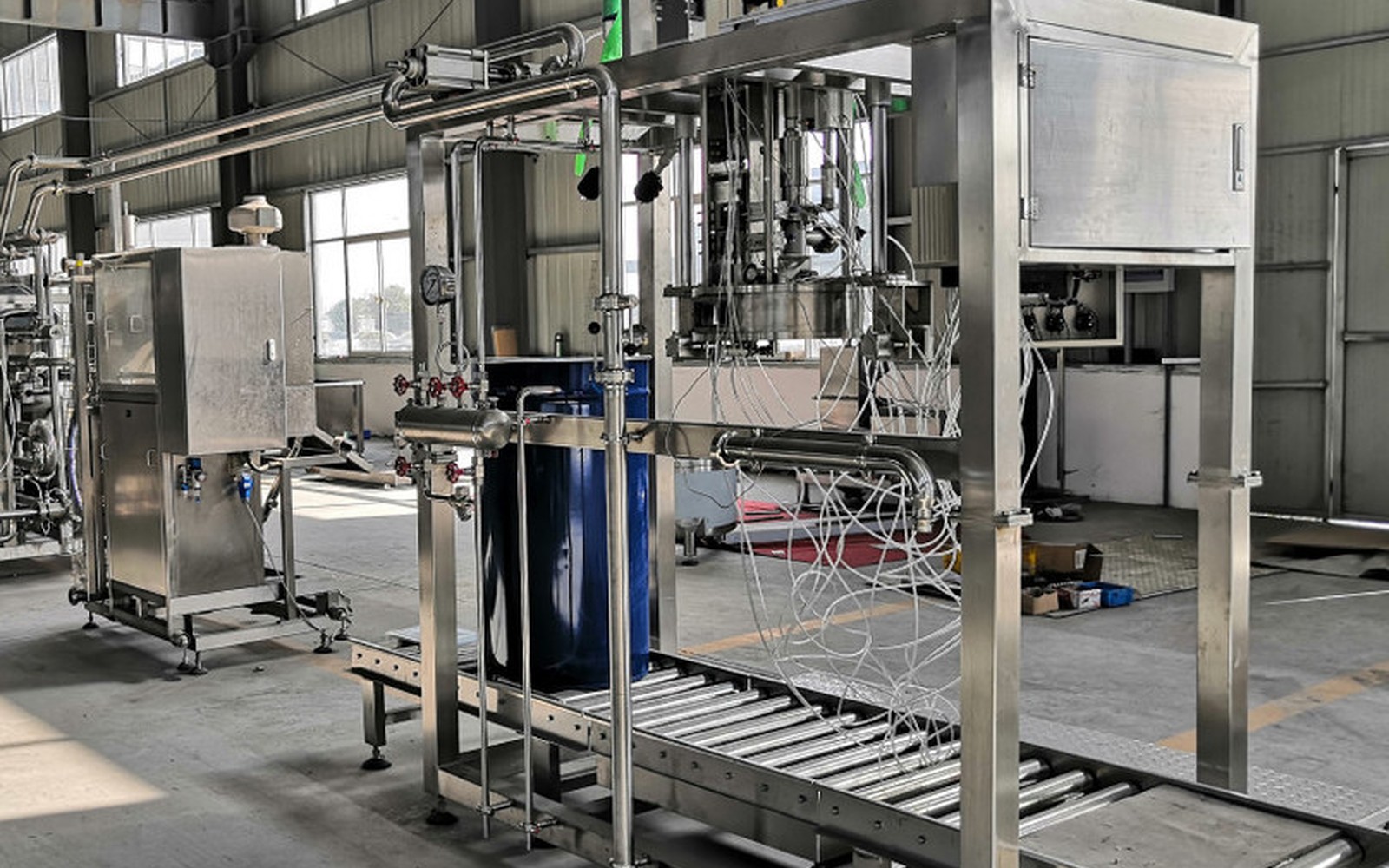
Pouch Filling Machine
Finance a commercial pouch filling machine for juice, smoothies, or functional beverages. From $50k, B/C credit considered, closing timed to the beverage-equipment package.
Pouches have become a real SKU format for juice brands, particularly for kids' juice, sports nutrition blends, and single-serve cold-press products that retailers want in a squeezable, spout-sealed format. A commercial pouch filling machine sized for juice production runs $60,000 to $300,000 depending on fill speed, pouch size range, and whether the line integrates a capping station, date coder, and outfeed conveyor. That is a capital commitment that most brands are better off financing than purchasing outright.
We finance pouch filling machines for juice brands, functional beverage startups, and meal-prep and cleanse companies adding a pouch format to their SKU mix. The transaction floor is $50,000. The sweet spot for a mid-scale rotary pouch filler with spout-and-cap integration sits squarely in our $100,000 to $150,000 range. B and C credit considered. Application-only up to roughly $400,000 with three months of bank statements. Funding in about one to two weeks.
Pouch Filler Configurations for Juice Brands
Pouch filling machines for juice break into two dominant configurations: flat-pouch form-fill-seal machines and pre-made pouch-and-spout filling lines. Form-fill-seal (FFS) machines roll flexible packaging film, heat-seal the edges to form a pouch, fill it, and seal the top in one continuous motion. These are efficient for high-volume runs at low per-package cost but require consistent run lengths to justify the setup time for each format change.
Pre-made pouch fillers receive already-formed pouches with spouts pre-installed, fill them through the open spout, and apply the cap. This configuration is more flexible for smaller production runs and multiple SKU sizes. The pre-made format also lends itself to recloseable spout caps, which the end consumer prefers for single-serve products. The tradeoff is a higher per-unit packaging cost versus a form-fill-seal approach.
Fill accuracy matters significantly for juice brands that operate under weight- or volume-based label claims. Most commercial pouch fillers use either volumetric piston-fill or mass-flow fill technology. Mass-flow fill (Coriolis or magnetic-flow metering) is more accurate but more expensive; piston-fill is simpler and adequate for most juice applications where fill tolerance within plus or minus 1 to 2 percent is acceptable.
For brands pursuing aseptic shelf-stable pouches, an aseptic filling system integration is required on top of the standard filler. This adds complexity and cost but opens the ambient-shelf distribution channel.
- Fill speeds on mid-scale rotary pouch fillers run 40 to 100 pouches per minute
- Pouch size flexibility ranges from 2-oz single-serve to 32-oz family pouches on multi-format lines
- Nitrogen flushing heads can be integrated to extend refrigerated shelf life in non-aseptic fills
- Servo-driven fill heads reduce mechanical wear and allow programmable recipe switching between SKUs
Who Is Buying Pouch Filling Equipment
The most active buyers are juice brands that have landed a retail buyer specifically asking for a pouch format. Children's juice in spout pouches is a real and growing shelf category, and a brand with an existing juice product can move into it only if the fill and seal equipment is in place. Waiting on capital puts the account at risk of a competitor who can fill the category slot faster.
Beverage co-packers adding pouch capability to their contract services are another strong segment. A co-packer with an existing bottling or canning setup that adds a pouch line doubles its addressable client base without replicating any of its existing equipment.
Sports nutrition and functional beverage brands adding a gel or liquid-nutrient pouch format, including energy gels, hydration pouches, and collagen shots, also come to us. The product viscosity varies from these clients, and some of them need a pump-and-piston fill head rated for thicker concentrates rather than the gravity-fill heads common in still-juice applications.
How Pouch Filler Financing Works
The documentation package for a pouch filler deal is straightforward: a credit application, three months of business bank statements, and the vendor invoice or equipment quote. For machines under approximately $400,000, we do not require tax returns. Most mid-scale pouch fillers with spout-and-cap integration land landing between $100k and $200k, comfortably within application-only territory.
Loan terms typically run 36 to 60 months. For a brand launching a new SKU format, 48 to 60 months keeps the monthly payment manageable while the new pouch product ramps through distribution. An equipment loan gives you ownership at payoff; an equipment lease with a purchase option can lower the monthly number and preserve cash flow during the ramp period.
Brands that are already producing and own other production assets may qualify for a Sale-Leaseback on existing equipment to raise capital for the pouch filler purchase. That route keeps the total financing simple and avoids a cash squeeze during the SKU launch.
Related Financing Paths
Common Questions on Pouch Filling Machine
Straight answers before you send the equipment file.
Can I finance a form-fill-seal pouch machine and a separate capper on one agreement?
Yes. If both are listed on one vendor invoice, they go on one agreement. If they are from separate vendors, we structure a multi-asset transaction and list both as collateral. The combined total just needs to exceed $50,000.
My pouch filler will be used primarily for one large retail client. Does that concentration risk affect the loan?
Client concentration is a factor we consider in the credit review, but it is not disqualifying on its own. A signed purchase order or supply agreement from the retail client is a strong supporting document that partially offsets the concentration concern.
Can I finance a used rotary pouch filler from a co-packer who is upgrading?
Yes. Private-party used equipment is financeable. We need a condition description, serial number, and either a dealer appraisal or a documented sale price comparable to the open market. Used filler deals in good mechanical condition often close at rates similar to new.
How long does a mid-scale pouch filler typically last before needing replacement?
A well-maintained commercial rotary pouch filler from a reputable manufacturer has a service life of 10 to 15 years under moderate production volumes. Regular fill-head replacement (every 2 to 4 years), cam follower maintenance, and servo calibration extend operating life considerably. We factor expected useful life into the loan term.
Does my company need to be SQF or FSSC 22000 certified to finance production equipment?
No. Food-safety certifications are not a financing requirement. They are requirements imposed by your retail buyers, not by us. That said, if you are heading toward a certification audit, the equipment documentation we help you assemble (serial numbers, manufacturer specs, installation records) is directly useful for that process.
Ready to Finance Pouch Filling Machine?
Send the equipment quote, seller, transaction size, and target timing. The financing desk will review the package and return a clear next step.