Carbonation System
Finance a carbonation system for sparkling juice, kombucha, or functional beverages. Inline carb systems, carb tanks, B/C credit OK. Get a quote today.
Bubbles are a product attribute, not an afterthought. The carbonation level in a sparkling juice determines texture, mouthfeel, and how the product drinks, and the equipment that delivers those bubbles needs to do it consistently, batch after batch, without variation that puts the wrong volumes of CO2 into your product between runs. Adding carbonation to a juice, functional beverage, or sparkling water product is a significant line extension decision, and the capital investment in a proper carbonation system is what makes it repeatable at commercial scale.
We finance carbonation systems for sparkling juice brands, kombucha producers adding forced carbonation to their natural carbonation, functional beverage startups launching sparkling lines, and beverage manufacturers adding a sparkling SKU to an existing product range. Inline carbonation systems capable of handling commercial production volumes typically price from $40,000 to $200,000 and above depending on throughput, automation level, and integration with the filling line. We finance from $50,000 upward.
Types of Carbonation Systems for Beverage Production
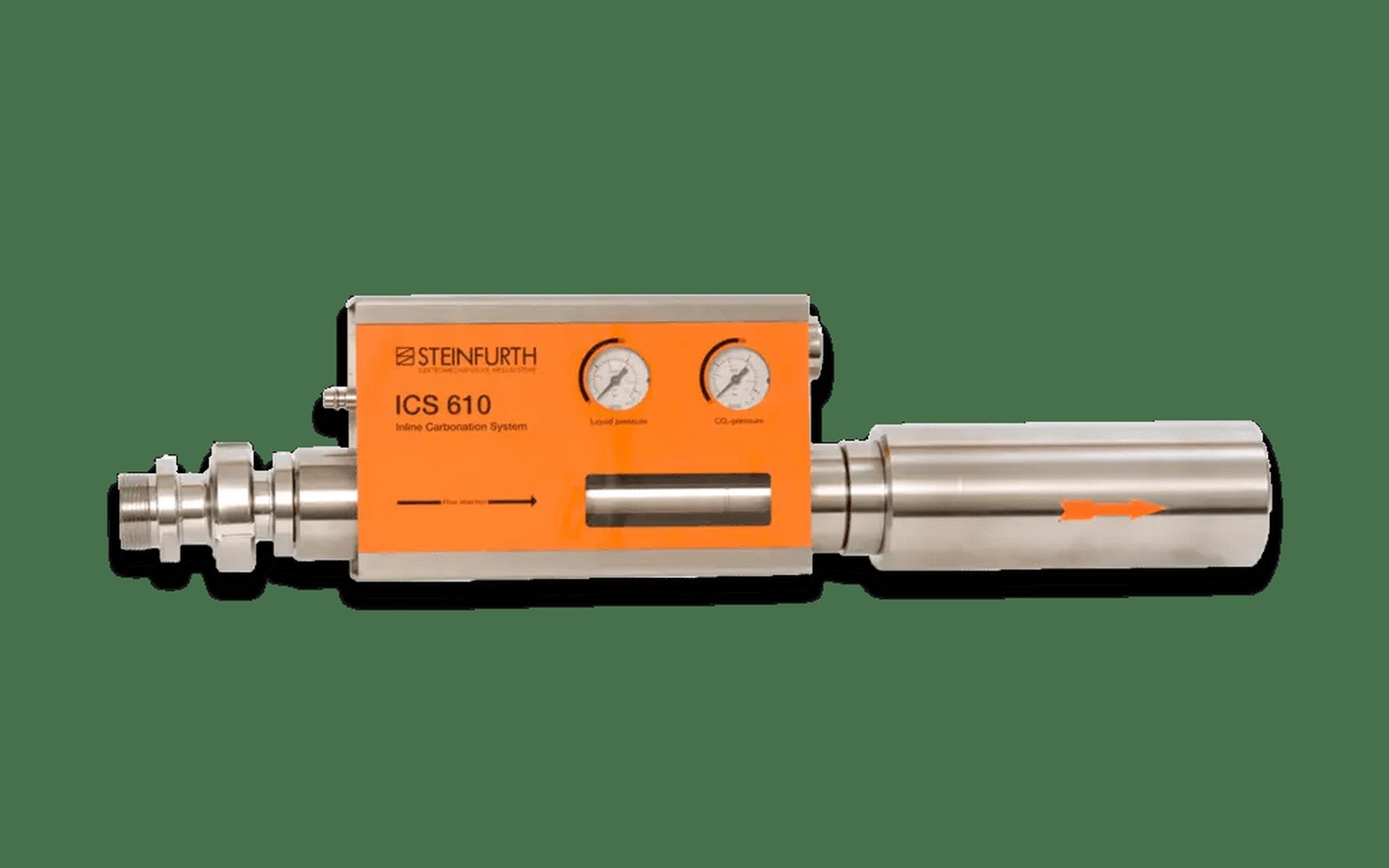
Inline carbonation systems inject CO2 into the beverage stream under pressure as the product flows from the blend tank to the filler. The product flows through a carbonating unit, typically a carbo-cooler or inline Venturi-style injector, where CO2 is dissolved into the liquid at a controlled rate measured in volumes of gas. This method is standard for high-volume sparkling beverage production because it is continuous, controllable, and can be tuned to hit a precise target carbonation level in volumes of CO2 with minimal waste.
Carbo-coolers (also called carbonation tanks or carbonating vessels) chill the liquid while dissolving CO2, taking advantage of the fact that CO2 dissolves more readily in cold liquid. Products carbonated at near-freezing temperatures before filling hold their carbonation better when the product warms up during distribution. For juice products that are also pasteurized, the flow typically goes: pasteurize, chill, carbonate, fill, which means the carbonation system sits immediately upstream of the canning line or bottle filling machine and the filler must be a counter-pressure design to avoid losing CO2 during fill.
Nitro carbonation, where nitrogen rather than CO2 provides the gas bubbles, is used for certain cold brew and nitro juice products. The equipment is similar but the gas handling and pressure management differ. We finance both CO2 and nitro beverage systems, and the financing structure is the same regardless of the gas type.
Financing a Carbonation System
Most standalone carbonation systems fall in the range where our application-only process applies, meaning three months of bank statements and an equipment quote are all we need to move forward. Decisions come back within two to three business days. If you are purchasing the carbonation system as part of a full sparkling line build that includes a counter-pressure filler, a fobber, and a capper, the total may exceed our application-only threshold and require a full credit package, but the process still moves quickly.
We finance as an equipment loan or a lease. For a carbonation system that is central to your production capability and will likely run for 10 or more years before needing replacement, an equipment loan with ownership from day one is often the more cost-effective structure over the life of the asset. A lease makes sense if you are testing a sparkling line addition and want the flexibility to upgrade to a higher-throughput system in a few years without being locked into an asset you have to sell.
B and C credit operators are considered. We do not treat a credit history with some challenges as an automatic decline. What matters is the overall picture: current revenue, cash flow trends, the quality of the collateral, and the business case for the equipment.
What Goes with a Carbonation System
A carbonation system does not stand alone in a production line. The equipment that commonly accompanies it includes a deaeration or oxygen removal system upstream (dissolved oxygen is the enemy of carbonated beverage shelf life and is worth removing before carbonation), a CO2 supply system with bulk tank or cylinder manifold, a counter-pressure filler, and a capping machine immediately downstream. Cold beverage storage before and after carbonation is also part of the picture, and a walk-in refrigeration system to hold product at near-freezing during production is a smart investment alongside the carbonation equipment.
For brands that also need to handle still (non-carbonated) products on the same line, a divert or bypass configuration that routes non-carbonated product around the carb system is common. That kind of flexibility costs more up front but avoids having to run the still product through equipment it does not need.
Get Financing for Your Carbonation System
Share the system type (inline injector, carbo-cooler, nitro), your throughput target, and whether it is part of a larger line build. We will structure financing and respond within 24 hours. Sparkling products command premium pricing at retail, and the capital to produce them consistently is an investment that pays back at the shelf. Get your quote in and we will get the numbers together for you.
Related Financing Paths
Common Questions on Carbonation System
Straight answers before you send the equipment file.
Can I finance a CO2 supply tank and delivery system along with the carbonation equipment?
CO2 bulk tanks are typically owned by the gas supplier and leased to the beverage producer, not purchased outright, which puts them outside our equipment financing scope. The carbonation system itself, including the carbo-cooler or inline injector, is what we finance.
My product is kombucha with natural carbonation plus forced CO2 to boost levels before packaging. Does that change anything?
No. The equipment we finance is the carbonation system that delivers forced CO2 carbonation. Whether you are using it to add all the carbonation or to top up natural fermentation carbonation, the equipment is the same and the financing structure is identical.
I am launching a sparkling juice line and need the whole packaging system. Can I finance everything in one deal?
Yes. A complete sparkling line including the carbonation system, counter-pressure filler, capper, and labeler can be financed together under one package. We like to see the full project because it gives us cleaner collateral and gives you a single monthly payment.
How do lenders treat a carbonation system as collateral? Is it considered specialized equipment?
Carbonation systems are beverage production equipment with clear resale value through food and beverage equipment dealers. They are not as liquid as a semi truck, but they are not so specialized that lenders balk at them. The brand name and throughput rating matter more to collateral value than the carbonation technology itself.
Can I refinance a carbonation system I already own to pull out working capital?
Yes, if you own the system free and clear. A sale-leaseback or cash-out refinance generates a lump-sum payment based on the asset's current value while the equipment stays in your production line. This is a useful option when you need capital for ingredients, SKU launches, or distribution without taking on additional equity partners.
Ready to Finance Carbonation System?
Send the equipment quote, seller, transaction size, and target timing. The financing desk will review the package and return a clear next step.