Juicing Equipment Financing in Washington, DC
Finance cold-press juicers, HPP machines, bottling lines, and full beverage production equipment in Washington, DC. $50k minimum. Closing timed to the beverage-equipment package.
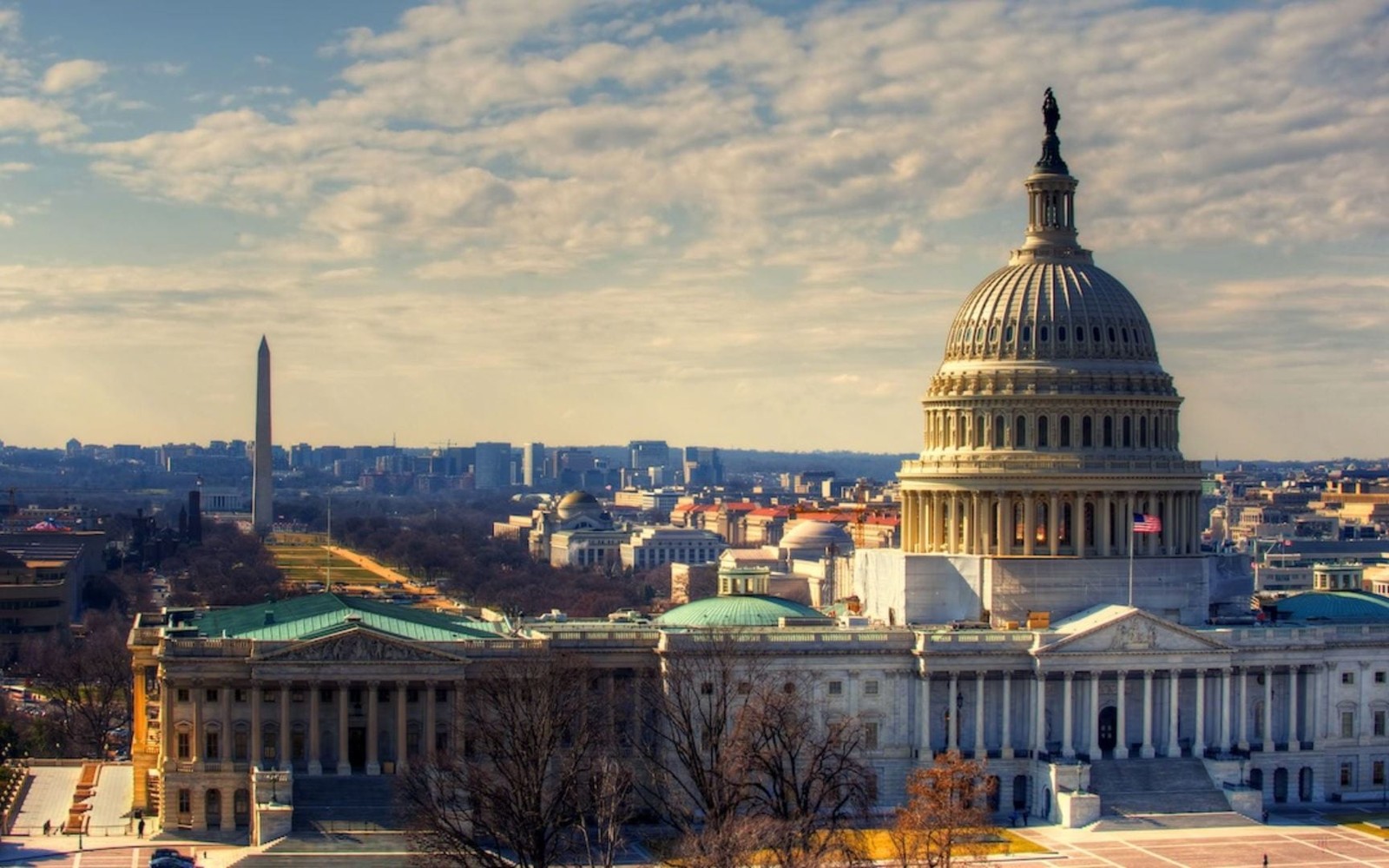
Getting product onto the shelves at a DC-area Whole Foods, MOM's Organic Market, or Yes! Organic is a milestone that can define a juice brand's trajectory. The DC market is one of the highest-per-capita organic food spending markets in the country, and the concentration of health-focused government workers, young professionals, and wellness consumers in neighborhoods from Capitol Hill to Logan Circle to Georgetown creates consistent demand for premium cold-pressed and functional beverages. The problem is that shelf placement at that level requires the throughput and quality consistency that only real production equipment delivers, and that equipment is a significant capital decision.
We finance that capital decision for DC-area juice brands, beverage co-packers, juice bars, and functional beverage startups. Deals start at $50,000 and our sweet spot is $100,000 to $150,000 and above. We finance commercial cold-press juicers, HPP machines, filling lines, pasteurizers, refrigeration systems, and complete facility buildouts. New and used equipment both qualify, B and C credit profiles are considered, and most deals under roughly $400,000 move on application alone plus three months of bank statements. Funding typically closes in one to two weeks.
The DC Market's Opportunity for Juice Brands
Washington, DC's geography creates a layered sales opportunity that few markets match. The city itself is small in area but dense in high-value consumers. Maryland suburbs to the north and west, including Montgomery County, one of the wealthiest counties in the US, add significant purchasing power. Northern Virginia, including Arlington and Alexandria, extends the market further south. A production facility positioned anywhere in this corridor can realistically serve all three markets without long-haul logistics eating into the margin on a refrigerated beverage product.
The wholesale channel in DC is active and diverse. Beyond the large natural grocery chains, the DC market includes specialty wine-and-cheese shops, upscale hotel and restaurant food service, corporate office delivery accounts, and a gym and wellness center density that rivals any city in the country. Gyms and wellness centers frequently purchase cold-pressed juice in bulk for post-workout service, and that institutional channel can provide consistent volume that smooths out the retail replenishment cycle.
Production facility space in DC proper is scarce and expensive, but operators frequently establish production in adjacent markets like Prince George's County, Montgomery County, or Northern Virginia and serve the DC market from there. Our financing covers operators regardless of whether the facility address is in DC or a surrounding jurisdiction, as long as the business is serving the DC-area market.
Equipment the DC Market Demands
Retail buyers in the DC area, particularly at natural grocery accounts, have expectations around production standards, labeling accuracy, and shelf-life documentation that push operators toward more sophisticated equipment choices. A brand pitching a 45-day cold-pressed juice to MOM's or Whole Foods almost certainly needs high-pressure processing capacity, either owned or through an HPP toll processor, because the alternative is a product that competes on a 5-day shelf life and cannot reach stores outside daily driving distance.
Inline and rotary fillers matter here too. Hand-filled product works at farmers market scale but does not hold up to the volume and fill-weight consistency that a grocery buyer requires. A quality inline filling machine running at even modest throughput speeds solves the consistency problem while reducing labor cost per unit. Brands that have tried to scale hand-fill operations often describe it as the single biggest production bottleneck they faced before investing in automated filling.
Labeling and packaging matter for the DC market's retail audience. A labeling machine that applies cleanly and consistently at production speeds protects the brand presentation that DC-area specialty retail buyers expect to see on shelf. Supporting equipment for ingredient prep, fruit and vegetable washing lines, and peeling and cutting equipment that allows the juice bar or production brand to work with whole produce rather than pre-cut inputs is also eligible for financing.
Financing Structures and What Terms Look Like
The structure options we offer DC-area operators are genuine choices, not a single product dressed up as flexibility. An equipment loan gives you ownership from day one. You build equity, you can depreciate the asset, and at payoff the equipment is yours free and clear. That structure suits operators who plan to hold equipment long-term and want to leverage tax benefits like Section 179 expensing in the year of purchase.
An equipment lease lowers the monthly payment and keeps options open at end of term. Depending on the lease structure, you can purchase at fair market value, buy out at a nominal dollar figure, upgrade to a newer model, or return the equipment and move on. For a brand that expects its production technology needs to evolve as it scales, a lease preserves flexibility without locking you into owning equipment you will need to trade in two or three years.
For DC operators who already own production equipment, a cash-out refinance can convert that asset into working capital for ingredients, packaging inventory, or a new SKU development run without disrupting production. The equity in an owned press, filler, or HPP system can be substantial, and tapping it does not require selling the machine or going back to a bank for a line of credit.
Deals under roughly $400,000 move on application only plus three months of bank statements. Larger or more complex transactions may require a financial statement, but we keep the documentation proportional to the deal rather than defaulting to a full commercial bank underwriting package. Funding typically closes in one to two weeks from a complete application.
DC-Area Operators Who Benefit Most
Early-stage brands entering the DC retail market for the first time are a natural fit. A startup with a promising product, a few farmers market accounts, and a conversation with a grocery buyer needs to move fast on production capacity, and a lender who can close in two weeks is the difference between hitting that buyer's next category review and missing it entirely. Our startup business financing program exists for exactly that situation.
Established juice bars and smoothie shops opening additional DC-area locations also represent a common transaction type. Each new location requires a production and prep equipment investment, and financing that buildout preserves operating cash for the lease deposit, staff training, and opening inventory that a new location also requires. Juice bar operators in the DC market often run five to ten locations and finance each buildout as its own transaction rather than tying up capital that could go toward the next site.
Co-packers and private-label manufacturers serving the DC metro's retail and food-service accounts are a third client profile. Their equipment needs are typically higher throughput, and their business story includes existing client contracts that provide clear revenue visibility. That combination of established accounts and a concrete production bottleneck makes a compelling financing application regardless of credit score.
Related Financing Paths
Common Questions on Juicing Equipment Financing in Washington, DC
Straight answers before you send the equipment file.
I have a conversation with a DC grocery buyer but I need to triple production to fill the order. Can I get financed that fast?
That is exactly the situation our timeline is built for. Application-only for most deals under $400,000, funding in about one to two weeks from a complete file. The sooner you submit the application and bank statements, the sooner we can close. A retail buyer conversation is a business reason, not just a hope, and that context helps us move the file forward.
My production facility is in Prince George's County, not DC proper. Does that matter?
Facility address does not need to be within DC limits. We finance operators serving the DC metro market regardless of whether the production location is in the city, in Maryland, or in Northern Virginia. What matters is the business, the equipment, and the deal.
Can I finance an HPP machine if I plan to use it for toll processing as well as my own product?
Yes. An HPP machine used partly for your own brand and partly for toll processing for other beverage brands is still eligible. The toll processing revenue actually strengthens the application because it provides additional revenue visibility alongside your own brand sales.
What does application-only financing mean in practice?
For deals up to roughly $400,000, the application and three months of business bank statements are typically the only documents required to reach a decision. No tax returns, no full financial statements at that threshold. Above $400,000 or with more credit complexity, we may request a P&L or balance sheet, but the document list stays proportional to the transaction.
I own my cold-press equipment outright. Can I pull cash out without selling it?
A cash-out refinance or sale-leaseback does exactly that. We appraise the equipment, fund against its value, and you keep it in production on a structured payment. The capital you free up can go to ingredients, packaging, a new SKU, or anything else the business needs. Minimum equipment value applies at $50,000.
Ready to Finance Juicing Equipment Financing in Washington, DC?
Send the equipment quote, seller, transaction size, and target timing. The financing desk will review the package and return a clear next step.