Juicing Equipment Financing in Dallas, TX
Finance juicing and beverage production equipment in Dallas. Cold-press systems, HPP machines, bottling lines. $50k minimum, B/C credit OK, closing timed to the beverage-equipment package.
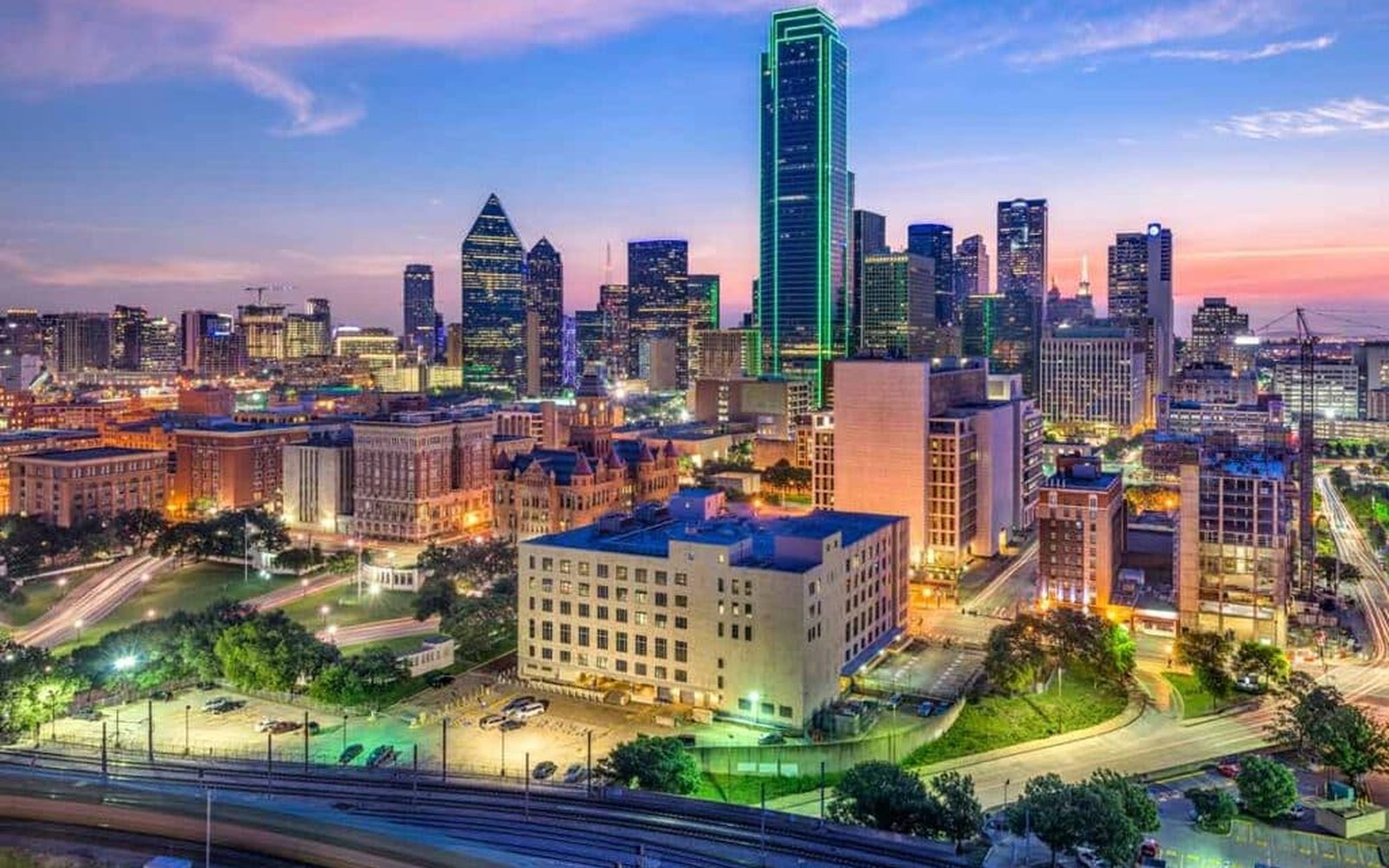
Dallas moves fast, and the beverage brands scaling through this market have learned to move with it. From the Farmers Market District to the natural-foods shelves at Central Market and Tom Thumb, consumer appetite for cold-pressed, minimally processed juice and functional drinks has carved out real shelf real estate in a city that not long ago ran primarily on soda and sweet tea. Getting on those shelves, and staying there with consistent volume, requires production infrastructure. More batch capacity means more SKUs, more velocity, and a stronger pitch to regional distributors.
We finance juicing and beverage production equipment for Dallas operators starting at $50,000, with deals running well past seven figures for full production-line buildouts. The application is fast, the decision timeline is measured in days rather than months, and we work with B and C credit profiles alongside strong ones. Tell us what equipment you need and we build the structure around your production calendar, not a lender's ideal borrower profile.
The Dallas Beverage Market: Why This City Scales Quickly
Dallas-Fort Worth is one of the fastest-growing metro areas in the country, and that population growth directly feeds demand for premium packaged beverages. The distribution network is mature, with UNFI and KeHE both operating regional distribution centers in the DFW area, providing direct pathways to Natural Grocers, Whole Foods, and Sprouts locations across Texas and the South. A well-packaged, shelf-stable cold-pressed juice or functional drink produced in Dallas can reach retailers from Houston to Oklahoma City within the same distribution relationship.
The city's food-manufacturing corridor along I-35 and the Stemmons Freeway has attracted co-packer and contract-manufacturing operations that work with emerging beverage brands. Several juice manufacturers have used Dallas as a regional production hub because the raw-material supply chain for citrus, tropical fruits, and specialty vegetables is accessible via the Dallas Produce Center, one of the larger produce distribution facilities in the South.
On the startup and early-scale side, Dallas has a strong community of CPG founders, with mentorship networks through groups like SKU (now NVC) and investor access via local venture and angel communities. Brands that close their first retail account in Dallas often find themselves needing a bigger press within six months. We see that story frequently.
Equipment We Finance for Dallas Producers
Cold-press and hydraulic extraction are the most common equipment categories in our Dallas deals, but the full production arc runs much wider.
- Cold-press systems: Goodnature X-1 and M-1 presses, Bucher hydraulic systems, and Norwalk units for small-batch premium brands. We also fund Zumex commercial juicers for juice-bar-scale operators expanding into production.
- HPP machines: High-pressure processing machines from Hiperbaric and competitors extend shelf life to 30-45 days without heat treatment, which is the key to retail placement for raw juice brands. These are significant capital investments, and financing is how most brands acquire them.
- Filling and packaging lines: Inline and rotary fillers, capping machines, labeling machines, and full bottling lines. Brands adding canned formats will find our canning line financing straightforward.
- Pasteurization systems: HTST systems for brands targeting mainstream grocery with a heat-treated product, and tunnel pasteurizers for specialty formats.
- Cold chain: Walk-in refrigeration, blast chillers, and cold-storage freezers scaled for production volumes.
- Upstream process equipment: Fruit and vegetable washing lines, peeling and cutting machines, and mixing and blending tanks rounding out the raw-ingredient handling side.
Who Works With Us in Dallas
Dallas juice and beverage operators across the growth curve use our financing, from founders buying their first commercial press to established brands replacing aging production lines.
Early-stage brands that have landed their first retail accounts and need to move off shared co-packer time and into their own facility are a strong fit. The cash not spent on equipment upfront stays available for inventory, marketing, and the broker relationships that expand distribution. An equipment lease can keep the balance sheet clean while the brand proves its retail velocity.
Established producers adding capacity are equally common. If your current press is running two shifts and you need a second unit, or your bottling line is the bottleneck between your press output and your shipping schedule, an equipment loan lets you add the asset, take the Section 179 deduction, and own the machine outright at the end of the term.
Co-packers and contract manufacturers in the Dallas area who are adding beverage production to their existing food-manufacturing operations also work with us regularly. Adding a juice production line to an existing facility is a major capital commitment, and structuring it correctly against the production revenue it will generate is exactly what we do.
Credit and Documentation Requirements
For requests up to approximately $400,000, we typically work from an application and, for some requests, three months of business bank statements. Full tax returns and audited P&Ls are not always required, and we do not mandate them as a default. The goal is a decision fast enough to let you move on equipment before someone else buys it.
Operators with B or C credit, recent credit events, or businesses still in the startup phase all work with us. The equipment type, the business's trajectory, and the story behind any credit blemishes carry real weight. Our bad-credit equipment financing program is direct, not a catch-all with punitive terms, and we are transparent about what is and is not possible given your profile before you spend time on paperwork.
Start Your Dallas Equipment Financing Application
The next batch run is only as good as the equipment running it. If your current setup is limiting your volume, your SKU count, or your ability to commit to a new retail account, let's solve that. Apply in minutes, get a decision in days, and put the right equipment to work on your production schedule.
Can I finance an HPP machine even though my juice brand is only eighteen months old?
Yes, though the terms and approval amount will reflect your operating history. A strong personal credit score and documented sales velocity help considerably. For brands this early, we sometimes structure a smaller initial financing that scales with a refinance once the business has more runway.
My current bottling line is mostly paid off. Can I pull cash out of it to fund new packaging equipment?
Yes. A cash-out refinance lets you borrow against the equity in paid-off or nearly paid-off equipment. We pay off any remaining balance, advance you additional capital, and set a new repayment schedule. This is a common move for growing producers who need capital but do not want to dilute equity.
Does the lease vs. loan decision affect my tax position?
It can. Under an equipment loan with ownership from day one, you may qualify for Section 179 expensing. Under certain lease structures, your payments may be fully deductible as operating expenses. The right answer depends on your tax situation and projected income. We walk through the structural tradeoffs with you, and your accountant makes the final call for your specific filing.
I found a used Goodnature press from a juice bar that is closing. Can you finance it?
Yes. Private-party transactions on quality used equipment are something we handle regularly. We need documentation of the asset, a bill of sale, and sometimes a condition inspection, but there is no requirement that the seller be a dealer. Moving quickly matters in these situations, and we can usually turn a decision around fast.
What is the minimum deal size you finance?
Our minimum is $50,000. Deals landing between $100k and $150k represent our most common transaction, and we are comfortable up through seven figures for large production-line installations.
Related Financing Paths
Common Questions on Juicing Equipment Financing in Dallas, TX
Straight answers before you send the equipment file.
Can I finance an HPP machine even though my juice brand is only eighteen months old?
Yes, though the terms and approval amount will reflect your operating history. A strong personal credit score and documented sales velocity help considerably. For brands this early, we sometimes structure a smaller initial financing that scales with a refinance once the business has more runway.
My current bottling line is mostly paid off. Can I pull cash out of it to fund new packaging equipment?
Yes. A cash-out refinance lets you borrow against the equity in paid-off or nearly paid-off equipment. We pay off any remaining balance, advance you additional capital, and set a new repayment schedule. This is a common move for growing producers who need capital but do not want to dilute equity.
Does the lease vs. loan decision affect my tax position?
It can. Under an equipment loan with ownership from day one, you may qualify for Section 179 expensing. Under certain lease structures, your payments may be fully deductible as operating expenses. The right answer depends on your tax situation and projected income. We walk through the structural tradeoffs with you, and your accountant makes the final call for your specific filing.
I found a used Goodnature press from a juice bar that is closing. Can you finance it?
Yes. Private-party transactions on quality used equipment are something we handle regularly. We need documentation of the asset, a bill of sale, and sometimes a condition inspection, but there is no requirement that the seller be a dealer. Moving quickly matters in these situations, and we can usually turn a decision around fast.
What is the minimum deal size you finance?
Our minimum is $50,000. Deals landing between $100k and $150k represent our most common transaction, and we are comfortable up through seven figures for large production-line installations.
Ready to Finance Juicing Equipment Financing in Dallas, TX?
Send the equipment quote, seller, transaction size, and target timing. The financing desk will review the package and return a clear next step.