Bottled-Water Companies
Finance reverse-osmosis systems, filling lines, capping and labeling equipment, and bottling infrastructure for bottled-water companies. Fast, flexible.
Water is a high-volume, margin-per-unit game, and the equipment that determines your margin is the purification system and the filling line. A reverse-osmosis system running at the wrong capacity for your production volume wastes energy and limits throughput. A filling line that cannot keep pace with your label volume backs up the entire operation. Bottled-water companies that stay ahead of their production curve, financing equipment upgrades before the constraint shows up in orders they cannot fill, maintain the kind of cost structure that makes private-label and branded retail accounts viable.
We finance water-purification and bottling equipment for companies ranging from regional spring-water brands to purified-water producers serving the private-label market. The assets are well-understood, the deal structures are straightforward, and the available equipment finance programs include specialists in food and beverage production equipment who know the difference between a municipal-supply purification plant and a natural-source spring-capture facility.
Equipment That Bottled-Water Operations Finance
Water purification is the first capital stage. A reverse-osmosis water system for commercial production can range from $30,000 for a smaller throughput unit to several hundred thousand dollars for high-volume municipal-feed systems. These systems are durable, predictable assets that lenders value well as collateral. Ozonation equipment, UV sterilization units, and deionization systems often accompany the RO stage and can be financed as part of the same package.
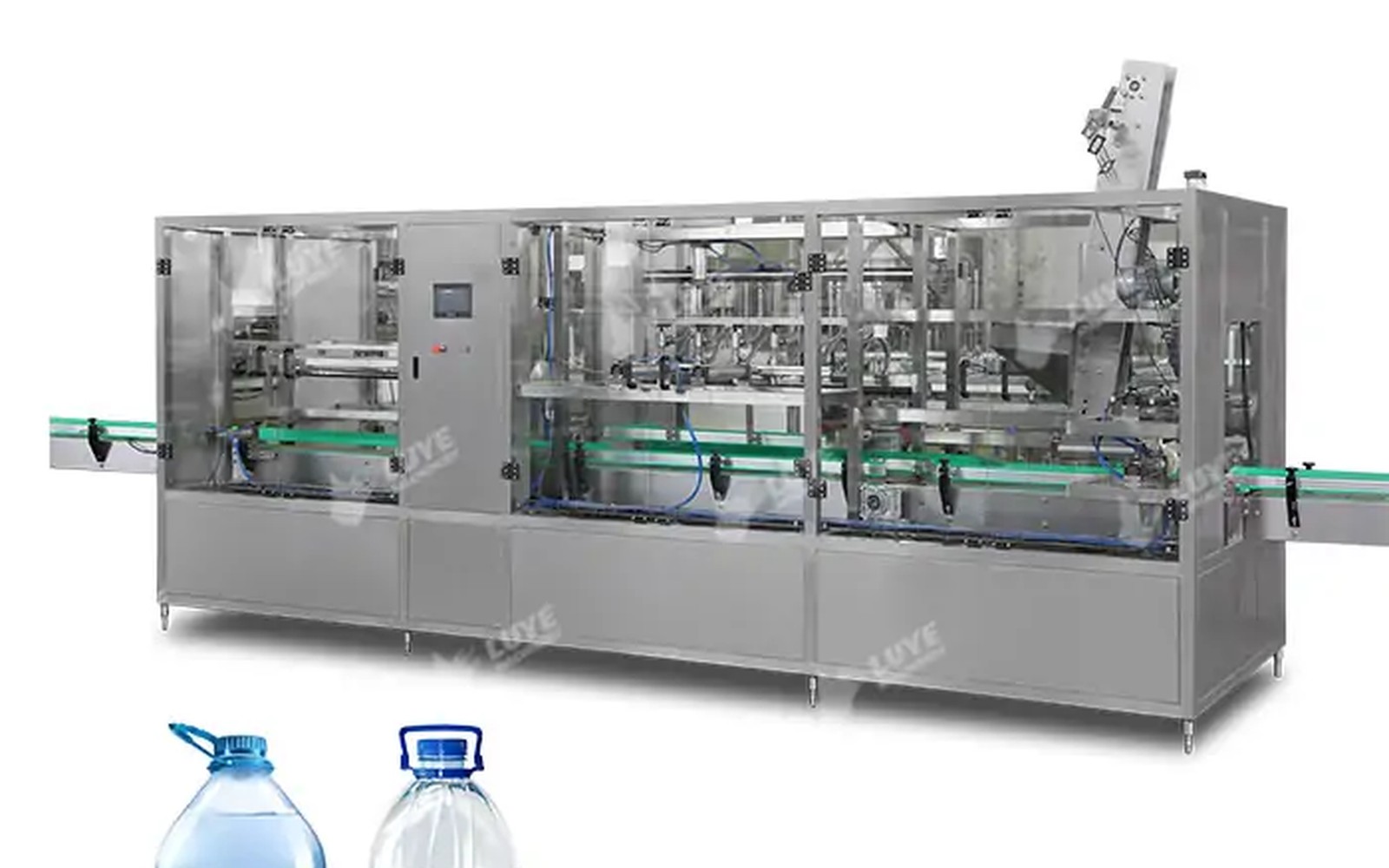
The filling side of the operation drives the throughput economics. High-speed rotary fillers for PET bottles, cap applicators and torquers, inline labeling systems, and case-packing equipment all carry meaningful capital costs when sized for commercial production rates. A complete PET bottling line capable of running several hundred bottles per minute is a substantial investment that repays itself over years of operation, making long-term financing terms appropriate and common in this category.
- Reverse-osmosis and water-purification systems
- Ozonation and UV sterilization units
- High-speed PET bottle filling and capping lines
- Labeling and sleeve-shrink equipment
- Case-packing and palletizing systems
- Blow-molding equipment for in-house bottle production
How Financing Works for Water Companies
Bottled-water equipment transactions vary widely in size. A purification system upgrade or a labeling line replacement might land landing between $80k and $200k, where application-only financing handles the deal without financial statements. A full bottling line replacement or a new facility buildout can run into the millions, requiring a financial package and a multi-lender competitive process.
We submit to multiple lenders simultaneously rather than relying on a single institution's decision. For bottled-water companies with strong retail relationships or private-label contracts, those client relationships are a meaningful narrative point in the underwriting, even if they are not always quantifiable on a balance sheet.
Bottled-water companies sometimes carry seasonal volume spikes tied to summer demand. Lenders who understand the beverage category factor that seasonality into their cash flow modeling rather than penalizing a business for uneven monthly bank statements.
Structuring the Right Deal
For bottled-water companies that prefer to own their production assets outright, an equipment loan is the most straightforward structure. Fixed monthly payments, clear amortization, and equity building from day one. For companies that want to preserve cash flow flexibility, a lease with a fair market value or dollar-buyout option at term end gives you choices at maturity: upgrade to newer equipment, buy the existing system outright, or return it.
Bottled-water companies that are scaling rapidly and want to keep balance-sheet leverage manageable sometimes structure critical purification equipment on operating leases and own the filling line outright. That hybrid approach is something we can structure across two or more instruments in a coordinated way.
New and Used Equipment
Used RO systems and filling lines are an active secondary market in the bottled-water industry. Facilities that close, downsize, or upgrade to newer technology often sell equipment that has significant remaining life. Buying a used system at a fraction of new cost, then financing that purchase, can be a smart capital move for a growing regional water brand. We handle used equipment financing on private-party and dealer transactions.
The caution with used water-purification equipment is the membrane condition and service history. Membranes in an RO system have defined replacement cycles, and buying equipment with membranes near end of life means the effective purchase price should account for the replacement cost. A pre-purchase inspection and membrane test is worth the cost before committing to a used purification system.
For bottled-water companies adjacent to the wider beverage space, partnering with or serving sports and energy drink brands that use purified water as a primary ingredient is a natural crossover. Shared water-purification infrastructure financing is something we can discuss.
Get Financing for Your Water Production Equipment
Whether you are upgrading purification capacity, replacing a filling line, or building out a new facility, we can structure the right deal. Send us the equipment details and production context. Decisions in 24 to 48 hours for application-only transactions.
Related Financing Paths
Common Questions on Bottled-Water Companies
Straight answers before you send the equipment file.
Can I finance both the RO system and the filling line in one transaction?
Yes. Multiple equipment types can be bundled into a single financed transaction, which simplifies the approval process and gives you one payment. If the total deal size requires different lenders for different assets, we can coordinate that while keeping the process manageable for you.
My bottled-water company has a private-label contract with a large retailer. Does that strengthen my application?
It is a meaningful narrative point, yes. A contract with a recognized retail buyer demonstrates demand certainty and payment reliability. Share any relevant documentation with us at application so we can present the strongest possible package to lenders.
We want to add in-house PET bottle blow-molding to reduce our bottle cost. Is blow-molding equipment financeable?
Yes. Blow-molding equipment is a substantial capital asset and qualifies for financing. The in-house bottle production story is a strong one for lenders because it demonstrates cost control and margin improvement, making the business a better credit risk.
Can I refinance an RO system I bought several years ago to pull cash out for expansion?
If the system has meaningful appraised value and is owned outright or nearly so, a cash-out refinance converts that equity to working capital. The RO system stays in service; the funds go to the expansion project.
What documents do I need for a bottled-water equipment loan over $400,000?
Larger transactions typically require two to three years of tax returns, a current profit and loss statement, a balance sheet, three months of bank statements, and the equipment vendor quote or purchase agreement. We help you organize the package before submitting to lenders.
Ready to Finance Bottled-Water Companies?
Send the equipment quote, seller, transaction size, and target timing. The financing desk will review the package and return a clear next step.