Hurom Financing
Finance Hurom commercial slow juicers for juice bars, cafes, and wellness centers. Flexible loans and leases, fast approvals, B/C credit considered.
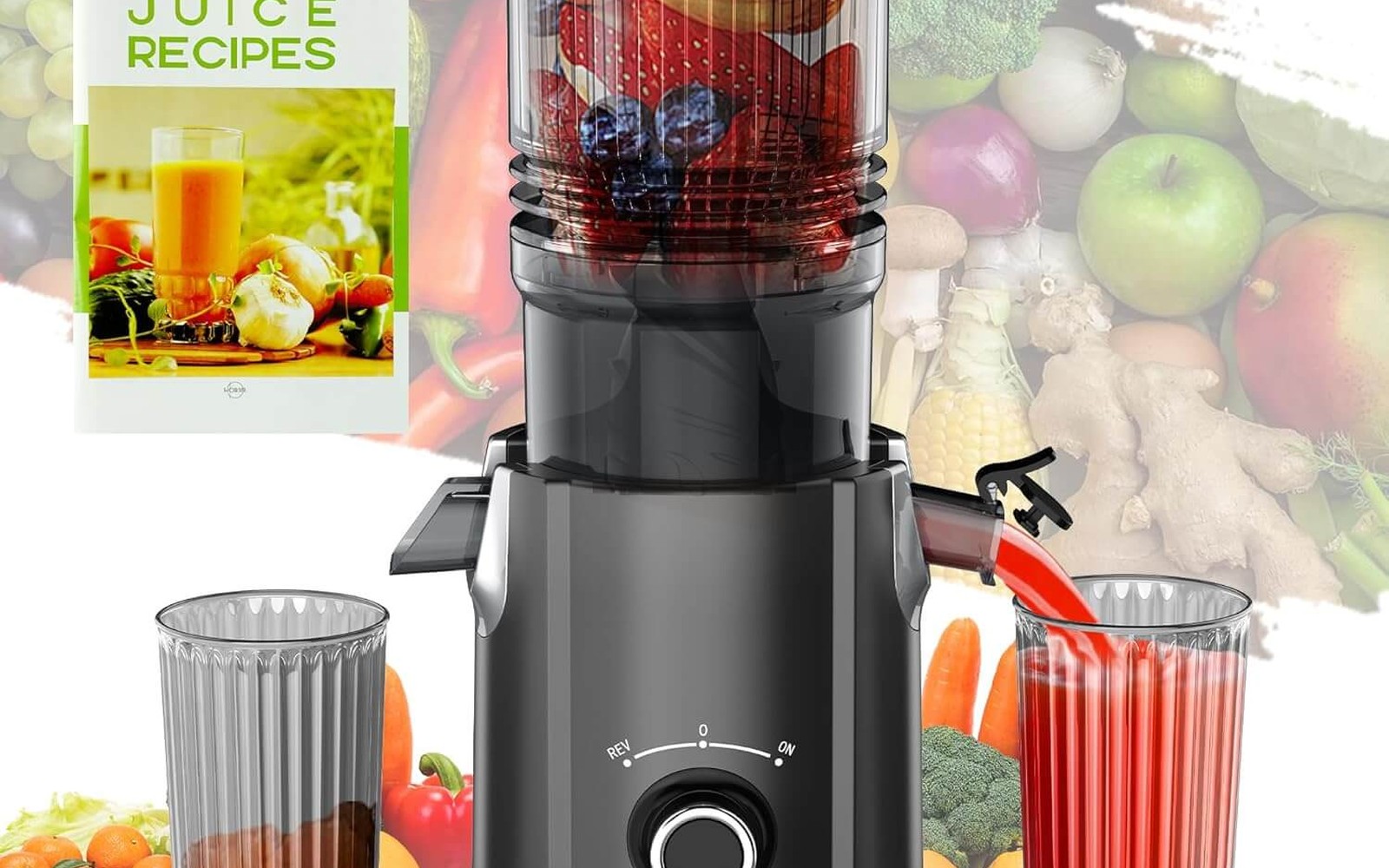
Hurom invented the slow-squeeze juicer category and has spent decades refining the technology. The South Korean company introduced its first slow juicer in 1974 and has iterated on the core auger-and-strainer design into a commercial lineup that serves juice bars, hotels, wellness centers, and specialty cafes on multiple continents. The distinguishing characteristic of Hurom's commercial machines is the Slow Squeeze Technology auger system, which operates at low RPM to minimize heat and oxidation during extraction. The result is a juice that carries more of the original color, flavor, and nutritional content than high-speed centrifugal extraction delivers, and that quality gap is exactly what upscale juice programs charge a premium for. Financing a commercial Hurom machine means investing in that product quality, and spreading the cost over time means the investment does not eat the working capital your operation needs to stay liquid.
The commercial Hurom lineup differs from the consumer machines that appear in home kitchens. Commercial-grade Hurom units are built for multi-cycle daily use, with heavier motors, stainless components, and cleaning systems designed for a foodservice environment. These machines run in hotel breakfast programs, airport wellness concepts, resort spa juice bars, and upscale gym juice counters where presentation, output quality, and reliability all matter in equal measure. We finance this equipment for operations at the $50,000 minimum and above, with terms structured around the cash flow of food and beverage businesses.
Who Finances Commercial Hurom Equipment
The buyer profile for commercial Hurom financing skews toward operations where juice quality is a brand differentiator rather than a commodity offering. Hotels and resorts are a major category, particularly full-service properties where the breakfast and wellness amenity needs to match the property's positioning. A slow-pressed juice at a luxury hotel breakfast is a different product than a carton of OJ, and the right machine is what makes that distinction real in the guest experience. Hotel food-and-beverage teams often finance Hurom units as part of a broader equipment refresh, bundling the juicers with coffee equipment, refrigeration, and display cases into a single financing deal.
Wellness-focused gyms and wellness centers are another consistent buyer. Hurom's brand carries weight in the wellness community in a way that matters to operators who are selling to health-conscious customers. A Hurom machine on the counter is a signal about the operation's commitment to quality, not just a tool for making juice. Juice bars at the premium end of the market, particularly those focused on green juice and vegetable extraction rather than citrus, are also strong candidates for Hurom financing. The slow auger system handles leafy greens, ginger, turmeric, and wheatgrass better than centrifugal alternatives, which matters for operations whose SKU set includes those ingredients.
Hurom Financing Structures We Offer
For commercial Hurom purchases, the most common structure is a straightforward equipment loan with terms from 24 to 60 months. The loan gives you ownership of the machine at the end of the term and lets you claim depreciation in the year of purchase if your tax situation supports it. Monthly payments are fixed, which simplifies budgeting for an operation managing multiple cost lines simultaneously.
For hotel groups, multi-location gym chains, and other operators managing several Hurom units across a portfolio, we can structure a master lease or blanket financing agreement that covers all units under one deal. This approach is more efficient than financing each machine individually and often produces better aggregate terms. An equipment lease with a dollar-buyout option functions similarly to a loan in practice but can sometimes carry accounting or tax advantages depending on how your entity is structured. We work through the options with you before finalizing the application.
We finance new Hurom commercial units purchased through authorized distributors and used commercial Hurom equipment purchased through dealers or private sellers. Hurom commercial machines hold their value reasonably in the secondary market, particularly units with documented service histories, and a used machine at a lower price can be an efficient way to build out a multi-unit juice program without committing to full new-unit costs across the board.
What to Expect on Rates and Terms
Hurom commercial machines are priced in a range that often sits at the lower end of our standard deal range, which means bundling is frequently part of the conversation. A single commercial Hurom unit may not hit the $50,000 minimum on its own. Pairing it with refrigeration, a fruit and vegetable washing line, display cases, or blending equipment brings the package to a fundable total. We help structure the bundle so everything needed to run the juice program effectively is included in one financing arrangement rather than spread across multiple smaller purchases.
Rates vary by credit profile, deal size, and term length. Stronger credit profiles and larger deal sizes generally produce better rates. For application-only deals, the credit application and bank statements are the primary inputs. For larger deals above the application-only threshold, we add business tax returns and a fuller financial package. Turnaround from completed application to funding decision is typically three to five business days for straightforward files, with funding following within a week to ten days of approval.
Comparing Hurom to Other Slow-Juicer Brands
Hurom competes primarily in the slow-press and masticating juicer category. The main alternative brands in commercial settings are Norwalk hydraulic presses, which use a different two-step extraction method that advocates claim produces even higher yield per batch, and various commercial masticating extractors from other manufacturers. The choice between Hurom and Norwalk often comes down to throughput preferences, footprint, and whether the operation wants a continuous-feed auger system or a batch press-bag method. Both produce cold-press quality juice. The production workflow and batch timing differ significantly.
For operations that want maximum throughput in a citrus-only program, Zumex high-speed citrus juicers or other centrifugal alternatives produce more volume per hour at the cost of some quality. Many hospitality operations run both: a Hurom for green and specialty juices and a high-speed citrus machine for orange juice volume during peak demand. We finance both categories and can structure a package that covers the full equipment mix.
Get Hurom Financing for Your Juice Program
Tell us what commercial Hurom equipment you are considering and we will put together a financing structure that fits your operation and your cash flow. Applications take a few minutes and approvals come back fast.
Related Financing Paths
Common Questions on Hurom Financing
Straight answers before you send the equipment file.
Can a hotel chain finance multiple Hurom units across several properties under one deal?
Yes. Multi-unit and multi-property financing is something we structure regularly. A blanket equipment agreement or master lease can cover all units across the portfolio under one approval and one payment. This is more efficient than individual property-level applications and often produces better terms because the aggregate deal size is larger.
Is Hurom financing available to a new wellness center that opened six months ago?
Six months is a short operating history but not a disqualifying one. We look at personal credit, monthly revenue, and the overall trajectory of the business. A wellness center with growing monthly revenue, a strong personal credit profile for the owner, and a clear plan for the juice program can get approved, often with terms that reflect the shorter history rather than closing the door entirely.
What happens at the end of a Hurom equipment lease?
That depends on the lease structure. A dollar-buyout lease lets you purchase the machine for one dollar at maturity, effectively making it a loan. A fair-market-value lease gives you the option to return the machine, renew the lease, or purchase at the appraised fair market value. For commercial Hurom equipment that will likely still have useful life and value at the end of a three to five year term, the dollar-buyout or ownership structure is often the better choice.
Can the financing include an extended warranty or service contract for the Hurom unit?
Some service contracts and extended warranty costs can be included in the financed amount, but this varies by lender and the specific contract terms. We evaluate soft costs on a case-by-case basis. Including a service contract in the financing is worth asking about, particularly for high-use commercial equipment where maintenance costs are predictable and worth smoothing into the monthly payment.
If I own a Hurom commercial unit outright, can I use it to access capital?
A sale-leaseback on an owned Hurom commercial machine is possible if the machine's current market value supports a meaningful cash-out amount. Hurom commercial units do not always carry residual values high enough to make this practical for smaller single-unit purchases, but if you own multiple units with aggregate value above our minimum, the structure can work.
Ready to Finance Hurom Financing?
Send the equipment quote, seller, transaction size, and target timing. The financing desk will review the package and return a clear next step.