Juicing Equipment Financing in Boston, MA
Finance cold-press juicers, HPP machines, bottling lines, and full production buildouts in Boston, MA. Fast approvals, $50k minimum, B/C credit welcome.
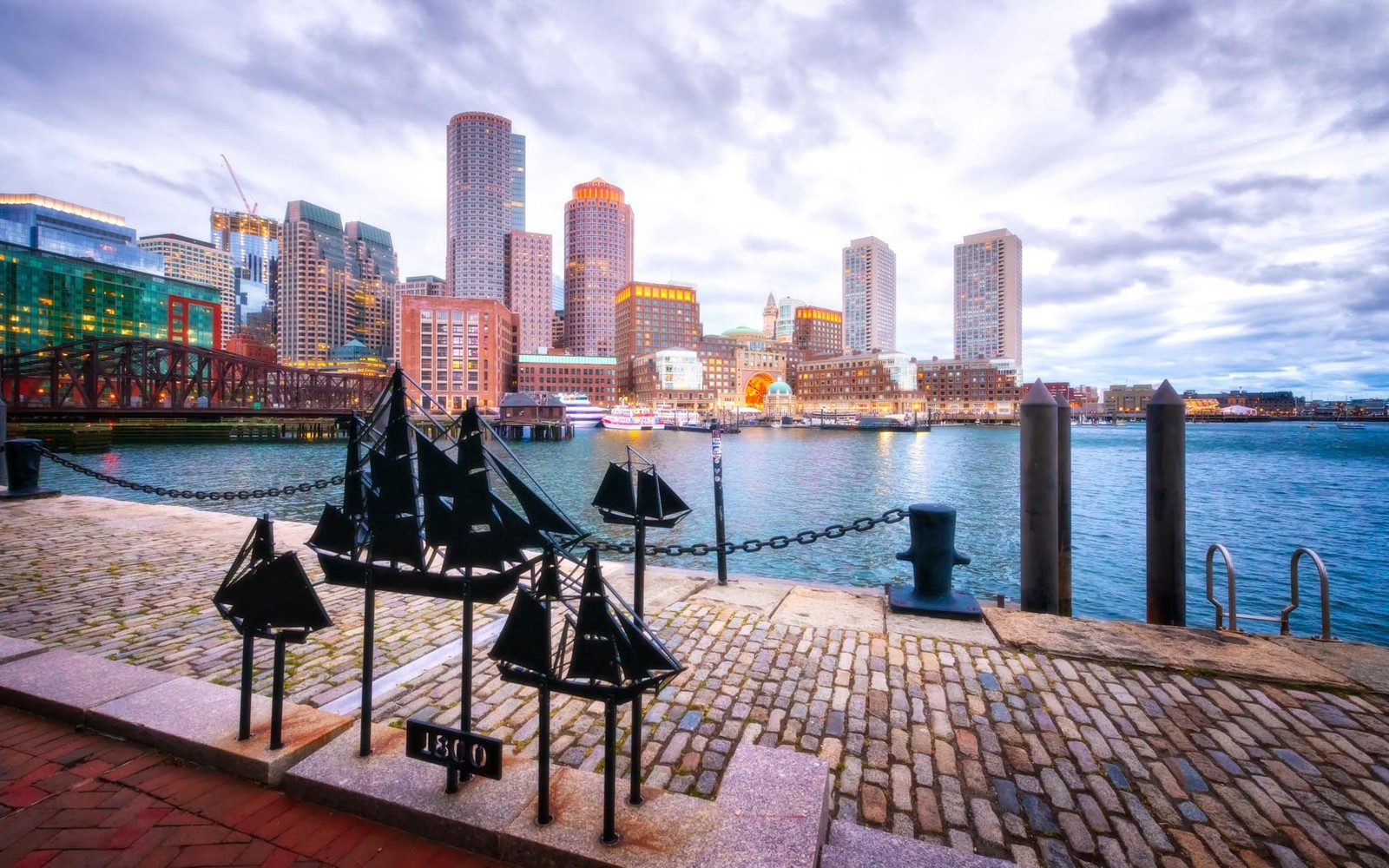
Boston's health-beverage scene runs deeper than the cafes on Newbury Street. The innovation corridors around Kendall Square and the Seaport have produced functional-beverage startups that moved from farmers-market stalls to regional retail accounts in just a few seasons. Getting product onto the shelves of Whole Foods, Star Market, or the Boston Public Market takes more than a good recipe. It takes a commercial cold-press juicer that can run consistent batches, cold-chain infrastructure that protects shelf life, and a bottling line that passes distributor inspections. That equipment mix carries a real price tag, and the smart founders here finance it rather than drain working capital trying to self-fund.
We finance juicing and beverage production equipment for Boston-area operators: juice bars in the South End, cold-press brands producing out of Somerville or Dorchester, co-packers serving the Greater Boston market, and wellness operations feeding the hospital and university campuses that ring this city. Our minimum is $50,000, our sweet spot is $100,000 to $150,000 and above, and we work with both established businesses and operators whose credit story is still being written.
Boston's Beverage Production Landscape
Massachusetts has one of the most educated and health-conscious consumer bases in the country. The concentration of research hospitals, biotech firms, and universities in the Boston metro creates steady demand for functional beverages, cold-pressed products, and premium juice formats. Boston-area grocers and specialty retailers respond to that demand by expanding their refrigerated beverage sets, which means local producers who can supply consistently are in a strong position.
The city's food-manufacturing corridor, including commercial kitchen incubators in Roxbury and production spaces along the Fairmount Line, houses a growing number of emerging beverage brands. Many of those brands hit a wall when they outgrow shared-kitchen equipment and need their own press, their own filler, and their own cold storage. That transition is exactly where financing makes the difference between scaling and stalling.
Boston's proximity to major agricultural production in the Pioneer Valley (apples, berries, and specialty vegetables) gives local juice producers a sourcing advantage that larger national brands can't easily replicate. Producers who can process high volumes quickly, capturing seasonal freshness, earn a genuine quality story. That story sells on shelf and commands the margin that services an equipment loan comfortably.
Industries we regularly work with here include cold-press juice brands, beverage co-packers running toll-processing agreements, and juice bars expanding to a second or third location in metro Boston.
How the Financing Process Works
The application-only path covers most equipment purchases up to roughly $400,000. You provide basic business information, and we can typically get to a decision in a matter of days rather than weeks. Deals above that threshold move through a documented underwriting path that includes three months of bank statements and a look at your full financials, but even those close in about one to two weeks from a complete application.
We structure deals as loans or leases depending on what makes sense for your tax picture. An equipment loan keeps the asset on your balance sheet and lets you depreciate it, which matters for brands investing in expensive HPP or pasteurization equipment. An equipment lease can preserve working capital and keep monthly payments lighter, which appeals to operators who want to conserve cash for ingredients, marketing, and staff. Both structures are available for new and quality used equipment.
Operators who already own equipment free and clear, or have meaningful equity built up, can look at a Sale-Leaseback to pull capital out of iron that is sitting on a balance sheet without generating liquidity. That freed capital goes right back into the business, whether that means purchasing a high-pressure processing machine to extend shelf life or funding a seasonal inventory build.
Equipment Boston Producers Are Financing
The most common request we see from Boston-area operators is cold-press production equipment sized for a brand that has outgrown its startup rig. A commercial-grade hydraulic press can run $60,000 to $200,000 depending on capacity and configuration, and the throughput difference between an entry-level press and a mid-tier production machine is substantial enough to justify the jump when order volume justifies it.
HPP (high-pressure processing) units represent the other major capital event for brands targeting retail shelf placement. A high-pressure processing machine in the $500,000 to $1.5 million range extends juice shelf life from a few days to 30-plus days without heat, which is the entry ticket for most regional grocery distribution. Boston-area brands targeting New England retailers almost always need HPP capability, either in-house or through a toll processor, to compete on shelf.
Beyond the press and HPP line, we commonly finance walk-in refrigeration systems, bottle filling machines, labeling equipment, and CIP (clean-in-place) systems. Full production buildouts for a new facility can run $300,000 to $700,000 all-in, and we can finance the full project or individual pieces as a brand expands in stages.
Credit and Documentation
We don't require perfect credit to get a deal done. B and C credit profiles are part of our regular deal flow, and we work with lenders who understand that a growing food-and-beverage brand may carry early-stage credit marks or limited business history. What we focus on is the business's ability to service the equipment payment from realistic revenue, not a flawless FICO score.
For equipment purchases up to approximately $400,000, an application-only approval avoids the full financial package. That path works well for operators who need to move fast, whether that means capturing a piece of used equipment at auction, securing a seasonal purchase, or meeting a co-packer's delivery schedule. Transactions above that range will require three months of bank statements and basic financials, but the process remains straightforward.
Startups and early-stage brands have options through startup business financing structures designed for businesses without a long operating history. Those structures lean more heavily on the equipment's collateral value and the principals' personal credit, but deals do close in this lane. If you're a Boston founder moving from concept to first production run, we're worth a conversation before you assume financing isn't available.
Ready to Grow Your Boston Beverage Operation?
Tell us what you're buying or refinancing, and we'll put together financing options that fit the batch size you're targeting. Applications take minutes, and most decisions arrive in days. Boston producers building toward regional and national shelf placement start here.
Related Financing Paths
Common Questions on Juicing Equipment Financing in Boston, MA
Straight answers before you send the equipment file.
Can I finance a used cold-press juicer I found through a restaurant auction in the Boston area?
Yes. Used equipment from auctions, dealers, or private sellers qualifies as long as the machine is in working condition and has a clear title. We can finance private-party purchases and auction buys. Provide the seller's information and a description of the equipment, and we'll structure the deal.
My juice brand has been operating for 14 months and my credit score is around 620. Do I have a realistic shot at approval?
Yes. A 620 credit score and just over a year in business is a workable profile for us. We'll look at your bank statements and cash flow alongside the credit score. The equipment itself serves as collateral, which matters. Deals in this range often close with an approval-only structure for amounts under $400,000.
I own a walk-in cooler and a bottle filler outright. Can I pull equity out of those to buy a cold-press unit?
That's a sale-leaseback, and yes, it's a structure we use regularly. You sell the equipment to the lender and lease it back, generating cash that you can deploy toward the new press. Your day-to-day operation doesn't change, and you free up capital without taking on unsecured debt.
How long are typical equipment loan terms for a Boston juice-production buildout?
Terms typically run 36 to 72 months depending on the equipment type and transaction size. Longer-lived production equipment like HPP machines, fillers, and pasteurizers tend to qualify for longer terms. Short-lived or specialized items may be structured on shorter terms. We'll match the term to the equipment and your cash-flow picture.
Do you finance the full project cost including installation and delivery, or just the equipment purchase price?
We can often include soft costs like freight, installation, and initial training in the financed amount, particularly for larger production line buildouts. Talk to us about the full project scope at the start, and we'll structure the deal to cover what the lender will allow.
Ready to Finance Juicing Equipment Financing in Boston, MA?
Send the equipment quote, seller, transaction size, and target timing. The financing desk will review the package and return a clear next step.